
Traditional cybersecurity models are collapsing under their own weight. Security teams today face a fundamental mismatch: adversaries operate at machine speed, launching thousands of coordinated attacks simultaneously, while defenders still rely heavily on human analysis, manual triage, and rule-based systems that cannot keep pace. As enterprises navigate increasingly complex digital ecosystems, AI-powered cybersecurity has emerged not as a futuristic concept, but as an operational necessity. The shift toward autonomous threat defense represents the most significant transformation in digital security since the introduction of firewalls—a transition from reactive human-led responses to proactive, self-adapting systems capable of operating at the speed and scale of modern threats.
What Is Autonomous Threat Defense?
Autonomous threat defense refers to cybersecurity systems that can independently detect, analyze, and respond to threats without requiring human intervention for routine decisions. Unlike traditional security tools that follow predetermined rules or require analyst approval for each action, autonomous systems leverage artificial intelligence to make context-aware decisions in real-time.
The distinction is critical. Rule-based systems operate on “if-then” logic: if a signature matches, then block the traffic. These systems fail against novel attacks or sophisticated adversaries who understand how to circumvent known patterns. Human-led security operations, while flexible and context-aware, cannot process information at machine scale or maintain 24/7 vigilance without significant resource investment.
Autonomous systems bridge this gap by continuously learning from network behavior, threat intelligence, and attack patterns. They establish behavioral baselines, identify deviations, assess risk, and execute appropriate responses—all within milliseconds of threat detection.
Why Human-Centric Cybersecurity Is No Longer Enough
The security operations center (SOC) analyst faces an impossible task. Studies consistently show that enterprise security teams receive thousands of alerts daily, with many organizations reporting alert volumes exceeding 10,000 per day. Alert fatigue has become endemic, leading to missed threats, delayed responses, and analyst burnout.
The cybersecurity talent shortage compounds this challenge. Industry estimates suggest millions of unfilled security positions globally, and the skills gap continues widening. Organizations cannot hire their way out of this crisis—the expertise required exceeds available supply, and training new professionals takes years.
Meanwhile, attack velocity has accelerated dramatically. Modern threats operate at machine speed:
- Automated vulnerability scanning identifies exploitable systems within minutes of disclosure
- Ransomware encryption can complete in under an hour
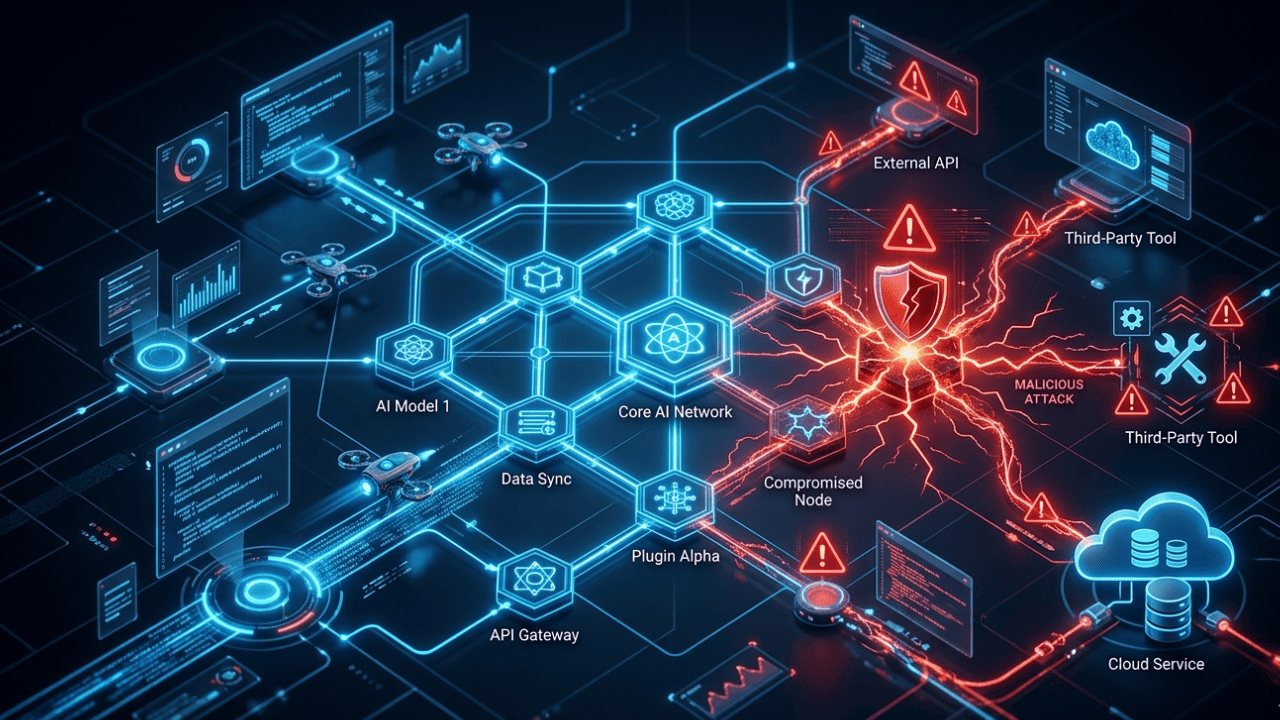
- Supply chain compromises propagate across networks before human defenders can assess the initial breach
- AI-generated phishing campaigns adapt in real-time based on victim responses
Human reaction time—measured in minutes or hours—simply cannot match machine-speed threats measured in milliseconds.
Core Technologies Enabling Autonomous Cybersecurity
Self-learning security systems form the foundation of autonomous defense. These platforms continuously analyze network traffic, user behavior, and system interactions to build dynamic models of normal operations. Rather than relying on static rules, they adapt as the environment evolves.
Machine learning and reinforcement learning power the decision-making capabilities. Supervised learning models train on labeled threat data to recognize known attack patterns. Unsupervised learning identifies anomalies without prior examples. Reinforcement learning enables systems to optimize response strategies through trial and feedback, improving defensive tactics over time.
Behavioral anomaly detection moves beyond signature-based approaches. Autonomous systems ask “does this behaviour fit expected patterns?” rather than “does this match a known threat?” This change makes it possible to identify sophisticated adversaries, insider threats, and zero-day attacks using cutting-edge methods.
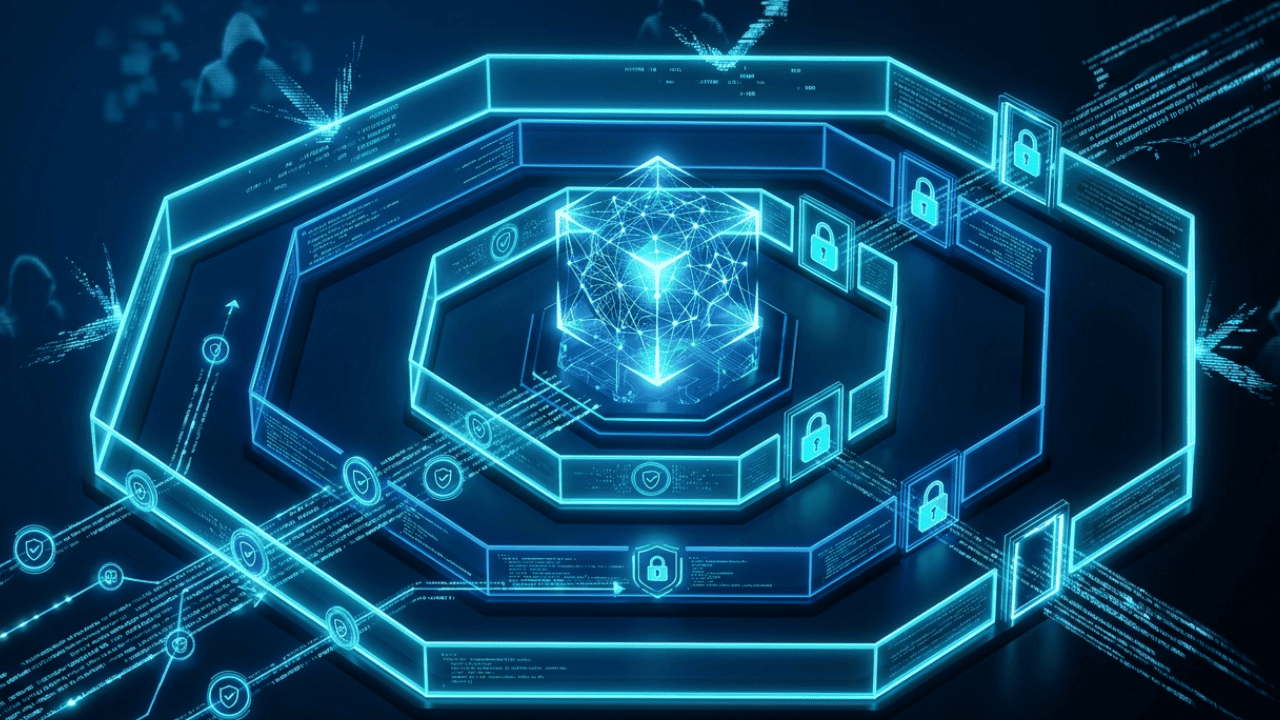
Autonomous incident response closes the loop. Detection without action provides limited value when threats move at machine speed. Autonomous systems can automatically isolate compromised endpoints, terminate malicious processes, revoke credentials, and implement containment measures while simultaneously alerting human teams for oversight.
AI-Driven SOC Automation
The Security Operations Center is undergoing fundamental transformation through AI-driven SOC automation. Rather than replacing human analysts, autonomous systems handle the repetitive, high-volume tasks that consume 80% of SOC time while delivering limited security value.
Fully autonomous capabilities include:
- First-level alert triage and prioritization
- Correlation of security events across multiple systems
- Automated enrichment of indicators with threat intelligence
- Routine incident containment for known threat types
- Compliance monitoring and reporting
- Vulnerability assessment and patch prioritization
Human analysts remain essential for:
- Complex investigation requiring business context
- Strategic threat hunting initiatives
- Security architecture decisions
- Oversight and validation of autonomous actions
- Handling edge cases and novel scenarios
- Coordinating cross-functional incident response
This division of labor allows security teams to operate at scale. A SOC that previously handled 5,000 alerts daily with 10 analysts might manage 50,000 alerts with the same team—not by working harder, but by automating the routine while focusing human expertise where it provides maximum value.
AI vs AI: The Future of Cyber Warfare
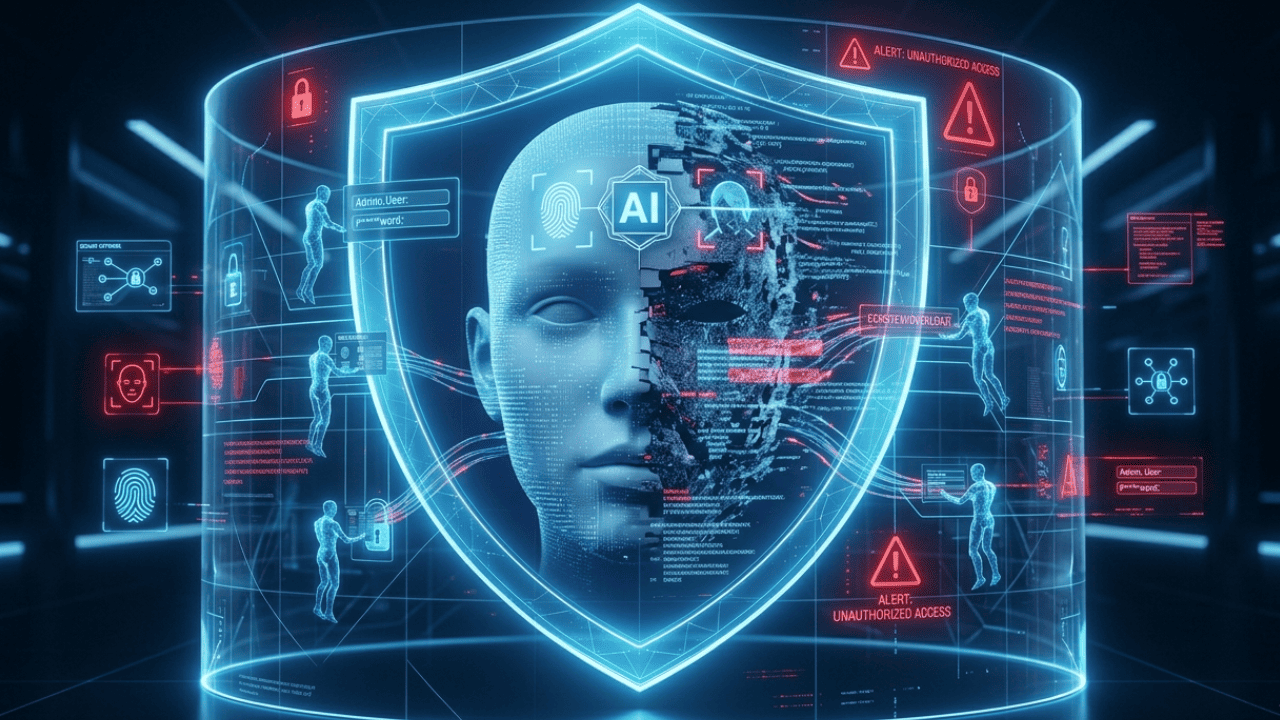
The emergence of autonomous defense systems coincides with the weaponization of AI by adversaries. AI vs AI cyber warfare is not speculation—it’s the current reality.
Attackers already deploy AI for:
- Generating convincing phishing content at scale
- Identifying vulnerable systems through intelligent reconnaissance
- Adapting malware to evade specific defensive controls
- Automating credential stuffing and brute force attacks
- Creating deepfakes for social engineering
Defensive AI agents counter these threats by:
- Analyzing attack patterns faster than humans can comprehend
- Predicting adversary next moves based on tactical analysis
- Adapting defenses in real-time as attacks evolve
- Identifying AI-generated content through subtle anomalies
- Coordinating response across distributed systems
This creates an escalation dynamic. As defensive systems become more sophisticated, adversaries develop more advanced offensive AI. The competitive advantage belongs to organizations that can iterate and adapt faster than their opponents—a capability inherently suited to autonomous systems rather than human-paced processes.
Autonomous Cybersecurity Systems in Practice (2025–2026 Signals)
Early adoption of autonomous cybersecurity systems is concentrated in sectors facing the highest threat volumes and most severe consequences from breaches.
Financial services institutions are deploying autonomous fraud detection that processes millions of transactions simultaneously, identifying suspicious patterns and blocking fraudulent activity without human review for routine cases. These systems demonstrate false positive rates below 1% while catching threats that rule-based systems miss.
Critical infrastructure operators—including energy grids and water systems—are implementing autonomous threat detection to protect operational technology environments where human response time is insufficient to prevent physical consequences from cyberattacks.
Cloud-native enterprises are embedding autonomous security into their DevSecOps pipelines, with systems that automatically detect misconfigurations, identify vulnerable code, and implement remediation without breaking development velocity.
Government cybersecurity agencies are piloting autonomous systems for network defense, particularly for protecting classified networks where the consequences of compromise are severe and the volume of threats exceeds human analytical capacity.
Ethical, Legal, and Governance Challenges
Autonomous decision-making in cybersecurity raises significant questions around accountability and oversight. When an autonomous system blocks legitimate business activity or fails to stop an actual threat, determining responsibility becomes complex. Traditional frameworks assume human decision-makers; autonomous systems challenge these assumptions.
False positives present operational risks. An overly aggressive autonomous system might block critical business processes, disrupt customer access, or isolate essential systems. Conversely, tuning systems to minimize false positives may allow genuine threats to slip through. Finding the optimal balance requires ongoing calibration and human oversight.
Regulatory frameworks are evolving to address autonomous security systems. Questions include: What level of human oversight is required? How should autonomous actions be logged and audited? When can systems make irreversible decisions? Who is liable when autonomous systems cause harm?
Organizations deploying autonomous defense must establish clear governance:
- Define the scope of autonomous authority versus human-required decisions
- Implement comprehensive logging of all autonomous actions
- Establish review processes for autonomous decision outcomes
- Maintain human override capabilities for all autonomous systems
- Develop incident response procedures that account for autonomous actions
What to Expect Between 2026–2030
The trajectory toward widespread autonomous defense is clear, though adoption will be gradual and uneven across sectors.
By 2026–2027, most enterprise security platforms will incorporate autonomous capabilities for routine threat response. These systems will handle the majority of common threats—malware, phishing, unauthorized access attempts—without human intervention, while escalating ambiguous or high-risk situations to analysts.
Enterprise readiness varies significantly. Organizations with mature security programs, robust data infrastructure, and clear security policies will adopt autonomous systems relatively smoothly. Those with fragmented security tools, limited visibility, or unclear policies will struggle to implement autonomous defense effectively.
The period from 2028–2030 will likely see autonomous systems becoming the expected baseline for enterprise security. Organizations without autonomous defense capabilities will face higher insurance premiums, regulatory scrutiny, and competitive disadvantages as autonomous protection becomes the standard of reasonable care.
Long-term implications for digital trust are profound. As autonomous systems prove their effectiveness at preventing breaches, stakeholder expectations will shift. Customers, partners, and regulators will increasingly expect that organizations deploy autonomous defenses as part of their duty of care.
Conclusion
The transition to AI-powered cybersecurity and autonomous threat defense is not optional—it’s inevitable. The fundamental economics of modern cyber threats demand machine-speed, machine-scale responses that human-centric models cannot deliver. Organizations clinging to traditional approaches will find themselves overwhelmed by adversaries operating with autonomous tools.
However, autonomy does not mean abandoning human judgment. The most effective security programs will combine autonomous capabilities with human oversight, allowing systems to handle routine threats at machine speed while maintaining human guidance for strategic decisions, ethical considerations, and complex scenarios.
The organizations that will thrive in this new paradigm are those that embrace autonomous threat defense while maintaining responsible governance, clear accountability, and human values at the center of their security programs. The future of cybersecurity is autonomous—but it must remain human-guided.
One thought on “AI-Powered Cybersecurity: The Rise of Autonomous Threat Defense”