Life in 2030: What the Future Will Look Like

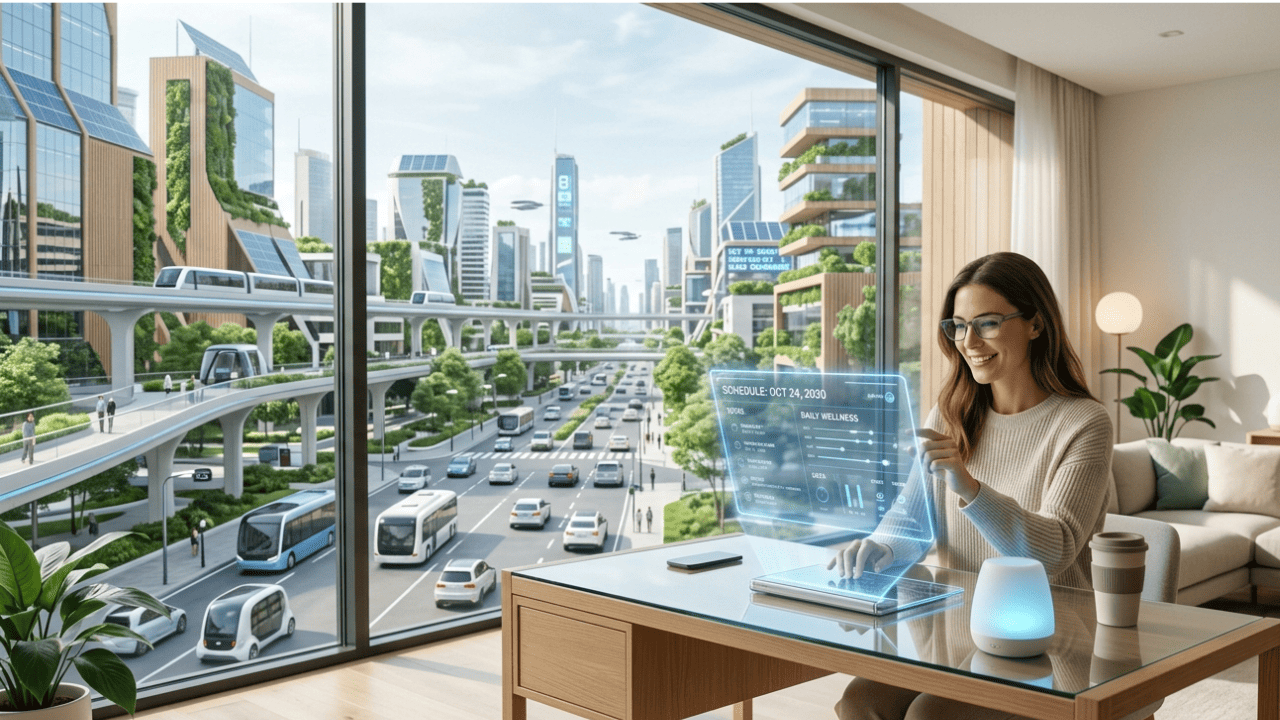
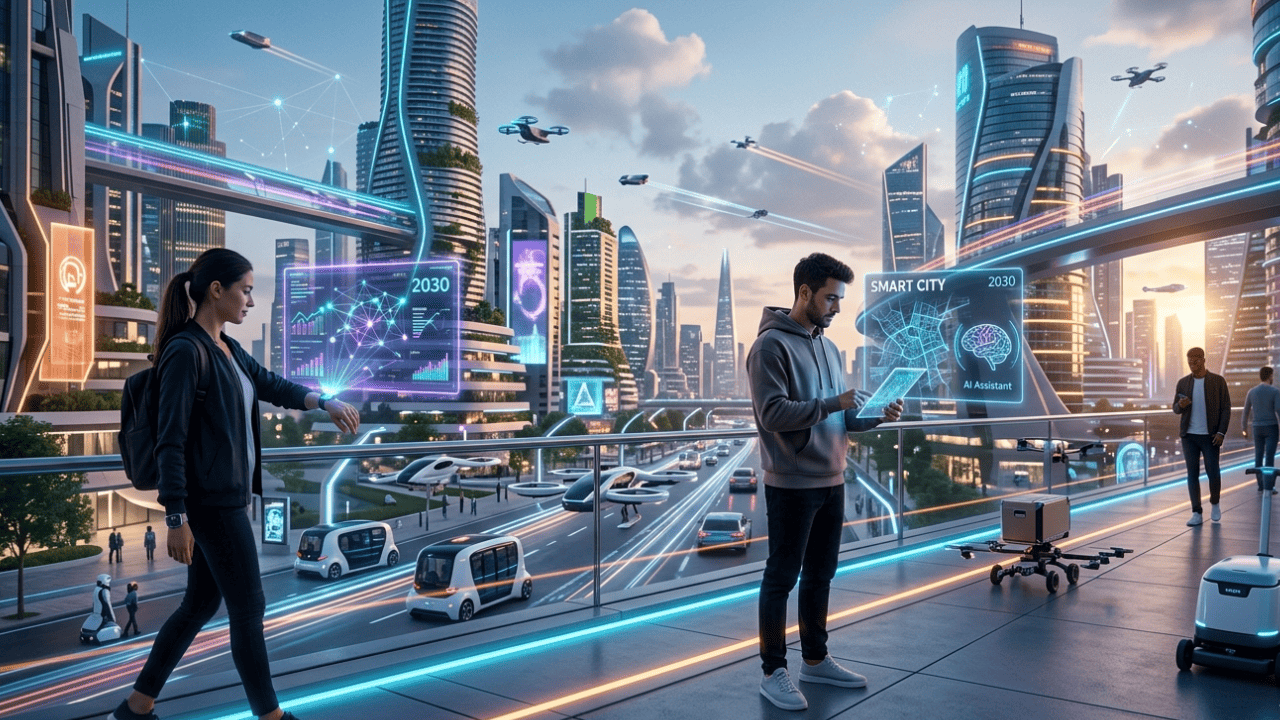
Introduction Imagine waking up in 2030. Your home already knows you're awake. The lights adjust themselves. A calm AI voice reads your schedule while your coffee brews automatically. This is not science fiction. Life in 2030 is closer than most people think. Over the next few years, AI, smart cities, and automation will reshape everything. From how we work to how we heal, change is coming fast. Understanding the technology trends next 5 years can help you prepare for what's ahead. What Will Daily Life Look Like in 2030? Future life will feel deeply personal. Smart homes will learn your habits and adjust to your needs. Forgot to lock the door? Your home handles it. Too warm inside? The thermostat already knows. AI assistants will go far beyond today's voice apps. They will manage your calendar, suggest meals based on your health data, and even remind you to rest. Moreover,…

Future Technology Trends 2030: What Will Change Next

Introduction The world is changing more quickly than it has in the past. Future technology trends are reshaping how we live, work, and connect with each other. By 2030, the gap between science fiction and reality will shrink dramatically. Think about this: ten years ago, most people had never heard of AI assistants or electric self-driving cars. Today, they are part of everyday life. So, what comes next? Rapid innovation is touching every corner of the globe. From hospitals in Tokyo to schools in rural Kenya, emerging technologies are creating new possibilities. Understanding what is coming can help you prepare - and even thrive. Why Future Technology Trends Matter More Than Ever "Why should I care about technology in 2030?" you may ask yourself. The answer is straightforward: you will be directly impacted. Jobs are already changing. Automation is handling tasks that once needed human hands. Businesses must adapt or…

AI security risks 2026: threats and protection guide

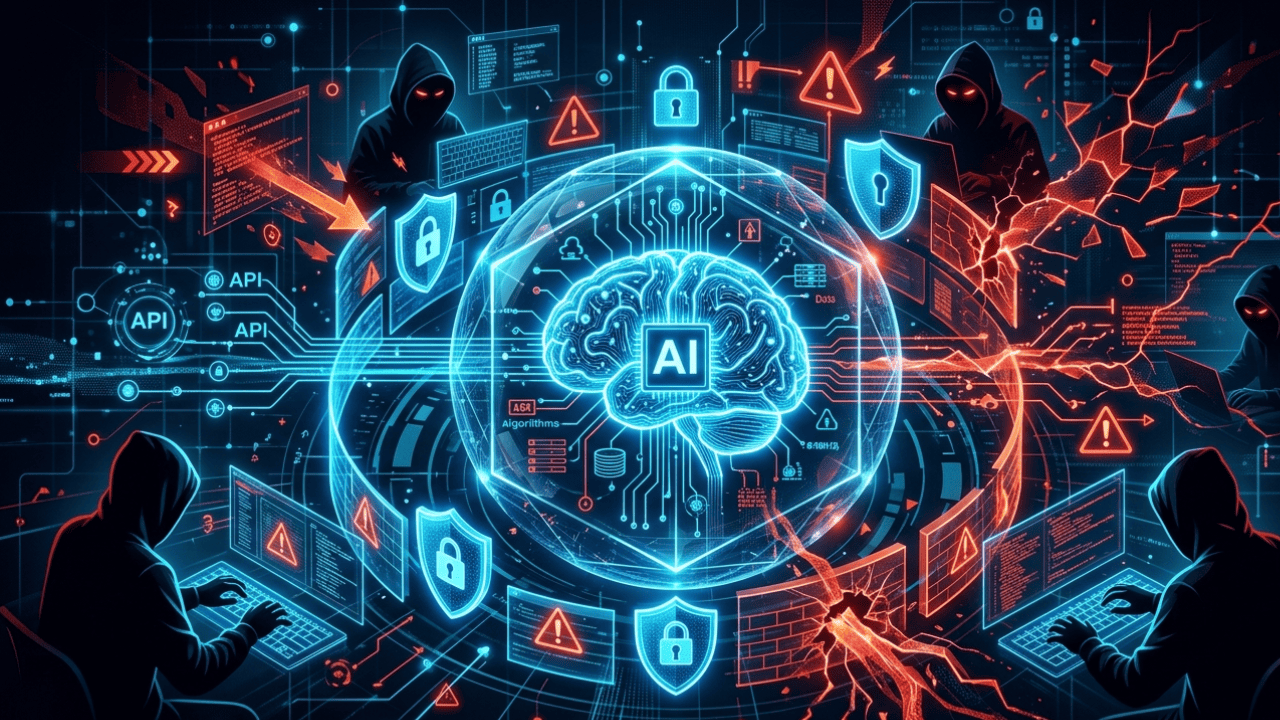
Introduction AI is growing fast. Businesses now use artificial intelligence for customer service, data analysis, hiring, and more. However, this rapid growth comes with a serious downside. AI security risks are rising at an alarming rate in 2026. Attackers are learning how to exploit AI systems in ways that never existed before. Every new AI tool creates a new potential entry point. In addition, many organisations deploy AI faster than their security teams can keep up. As a result, cybercriminals have more opportunities than ever. Understanding these risks is the first step to staying protected. What are AI security risks? AI security risks are the ways that AI systems can be attacked, manipulated, or misused. Unlike traditional software, AI learns from data. Therefore, it can be tricked in ways that standard code cannot. Traditional systems follow fixed rules. AI systems, however, make decisions based on patterns and probabilities. This means attackers can…

AI Identity Attacks in Cybersecurity: How Agentic AI Is Exploiting Credentials in 2026

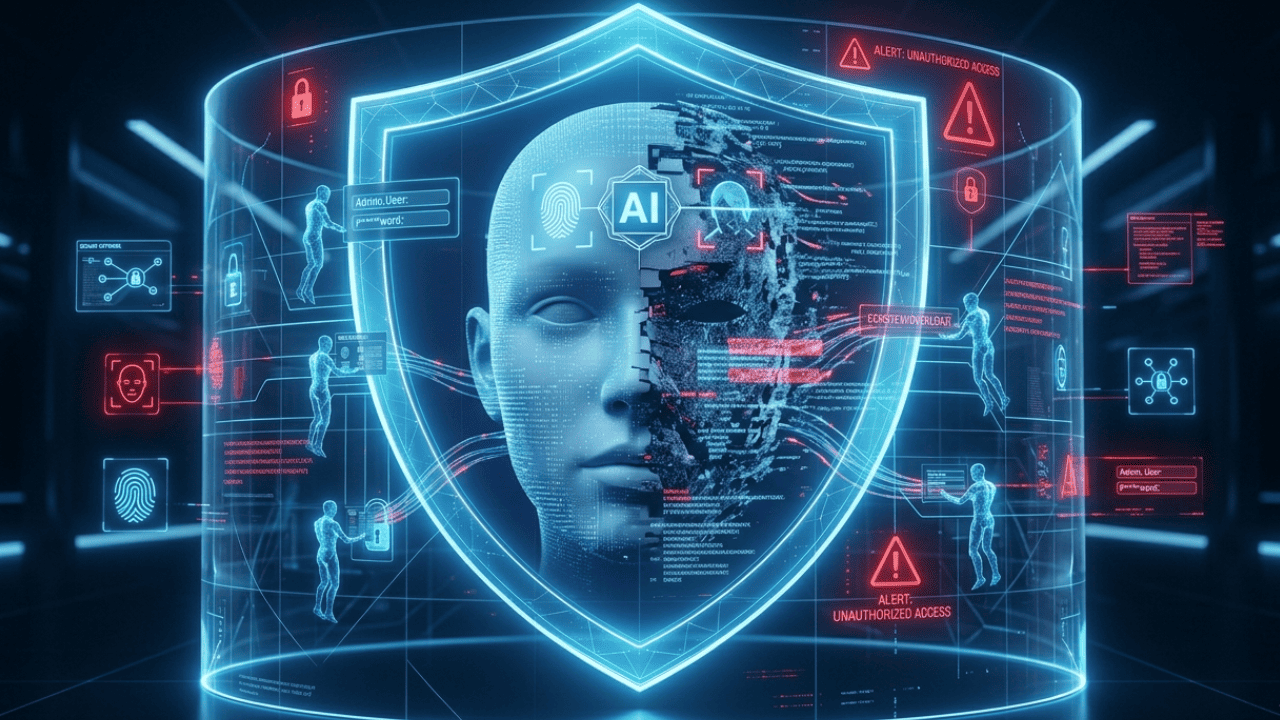
Introduction: Identity Is the New Perimeter - And AI Has Found the Gap In 2026, AI identity attacks in cybersecurity have become the defining threat facing enterprises. The most dangerous entry point into an organization is no longer an unpatched server or a misconfigured cloud bucket. It's an identity. Attackers have known this for years. But what's changed — dramatically — is who is doing the attacking. Artificial intelligence, specifically autonomous agentic AI systems, has transformed the threat landscape in ways most security teams are still scrambling to understand. AI identity attacks in cybersecurity are no longer theoretical. They are active, scalable, and increasingly hard to detect. Traditional breach patterns followed a relatively predictable arc: reconnaissance, exploitation, lateral movement, exfiltration. Human operators made decisions. Mistakes were made. Attackers left traces. Today's AI-powered adversaries compress that arc into minutes, operate with machine precision, and adapt in real time to every defensive…

Virtual Influencers & AI Avatars – How Artificial Intelligence is Shaping Digital Fandom

Introduction: The Rise of AI Avatars and Virtual Influencers Artificial intelligence, generative AI, and CGI drive the rise of virtual influencers and AI avatars in the 2020s. These digital personalities reshape the influencer economy and redefine what it means to be a fan, a creator, or a brand. On Instagram, TikTok, YouTube, and in the metaverse, AI avatars captivate millions, partner with global brands, and build communities that rival those of human influencers. This article explains how creators design virtual influencers and AI avatars, why they engage digital fandom effectively, and which cultural, ethical, and technological trends shape their future. What Are Virtual Influencers and AI Avatars? To begin with, In simple terms, virtual influencers are computer-generated personalities designed to look, act, and engage like human social media stars. Artificial Intelligence powers AI avatars, allowing them to interact with audiences in real time. Together, they blur the line between reality…