Life in 2030: What the Future Will Look Like

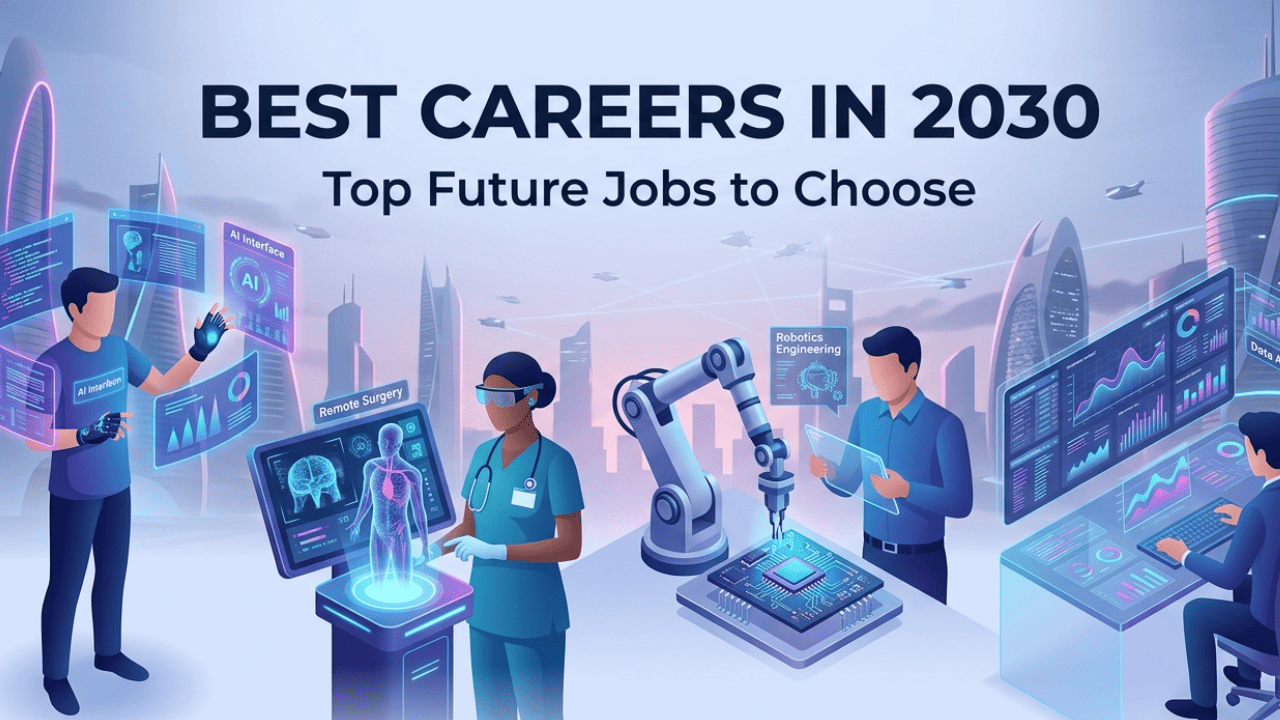
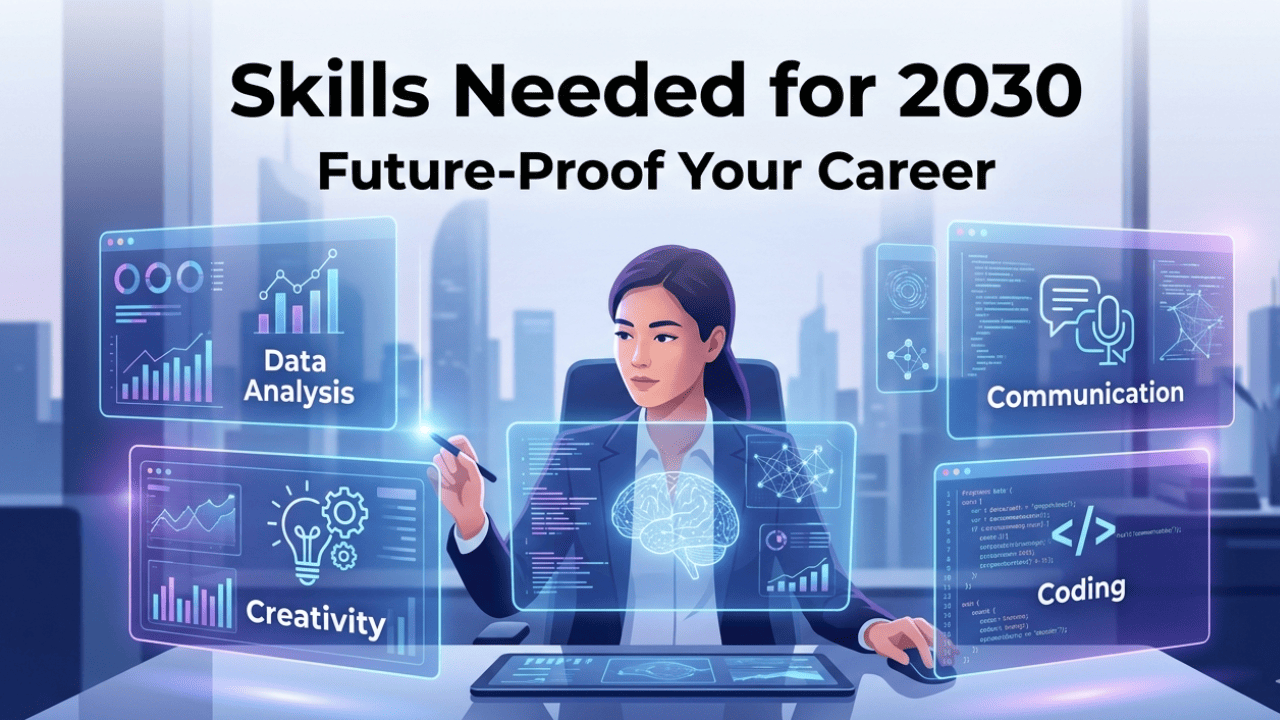
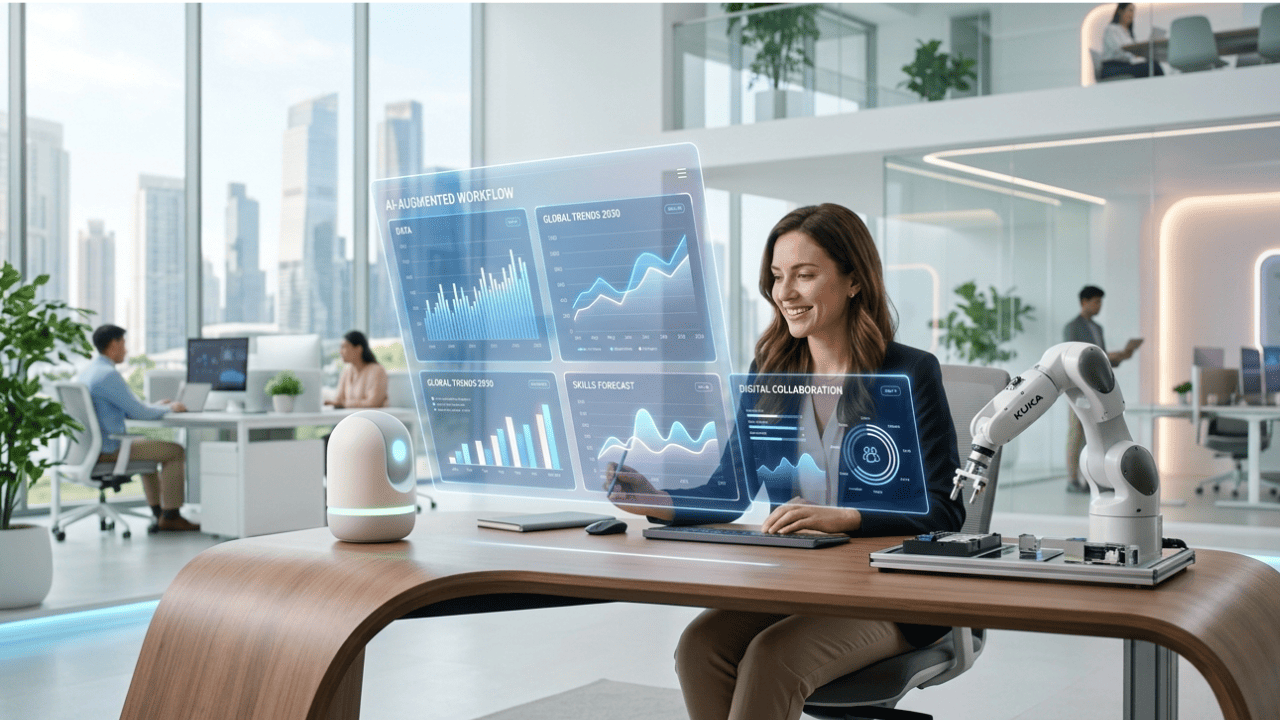
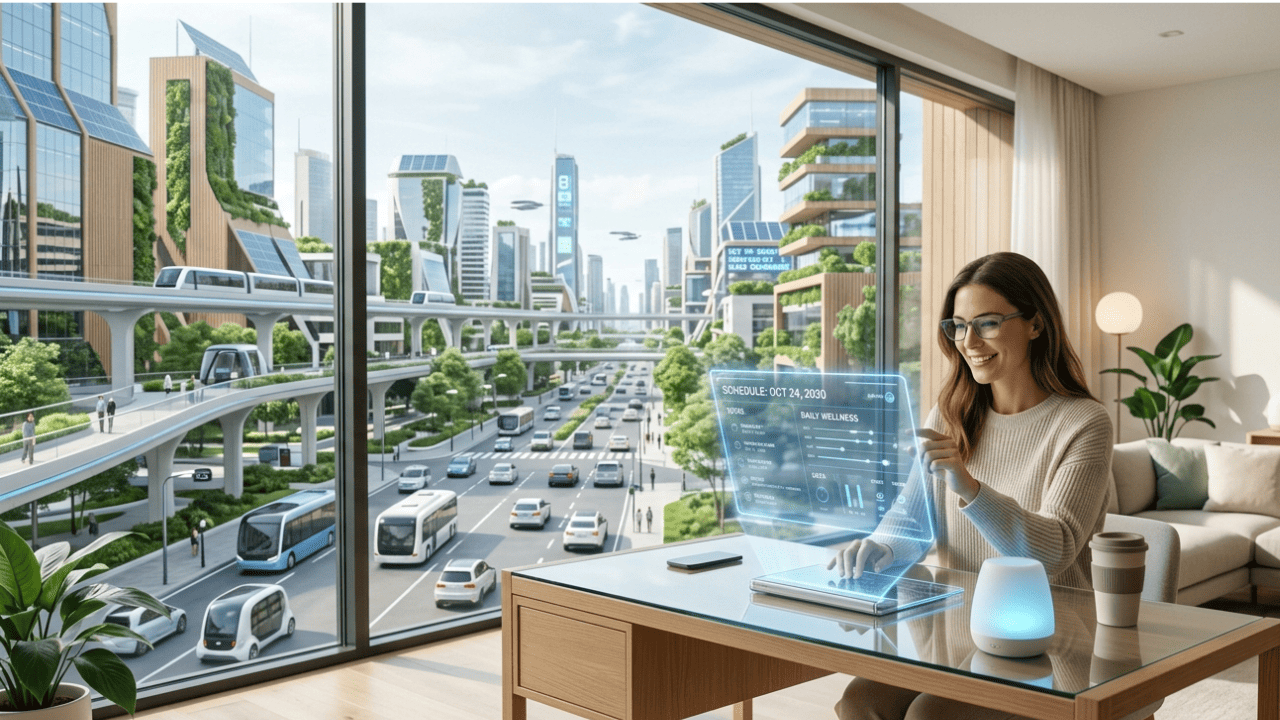
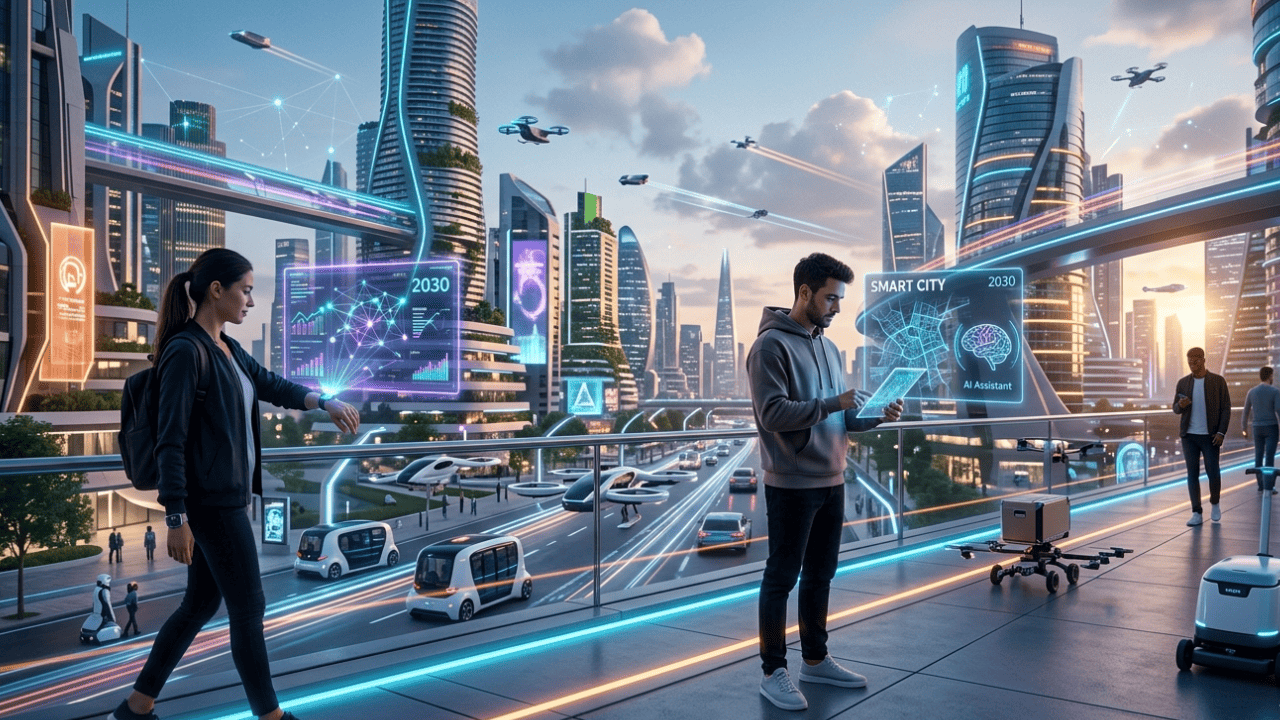
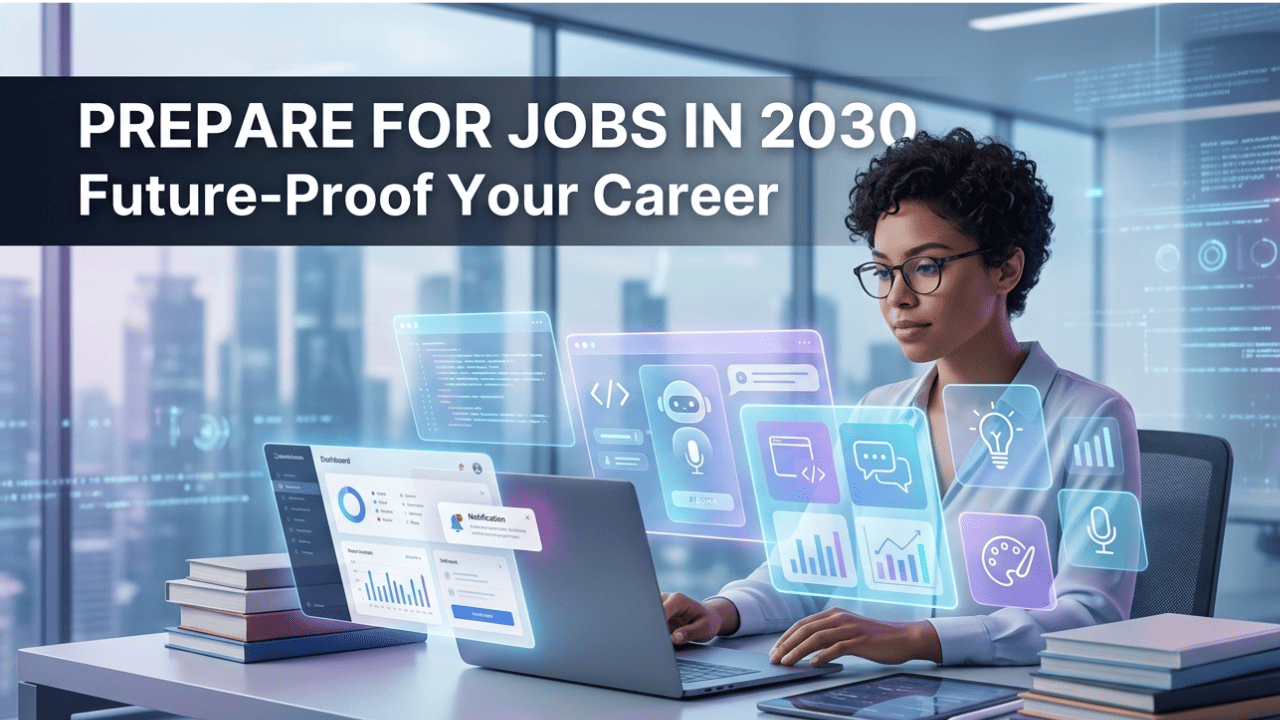
Introduction Imagine waking up in 2030. Your home already knows you're awake. The lights adjust themselves. A calm AI voice reads your schedule while your coffee brews automatically. This is not science fiction. Life in 2030 is closer than most people think. Over the next few years, AI, smart cities, and automation will reshape everything. From how we work to how we heal, change is coming fast. Understanding the technology trends next 5 years can help you prepare for what's ahead. What Will Daily Life Look Like in 2030? Future life will feel deeply personal. Smart homes will learn your habits and adjust to your needs. Forgot to lock the door? Your home handles it. Too warm inside? The thermostat already knows. AI assistants will go far beyond today's voice apps. They will manage your calendar, suggest meals based on your health data, and even remind you to rest. Moreover,…

Future Technology Trends 2030: What Will Change Next

Introduction The world is changing more quickly than it has in the past. Future technology trends are reshaping how we live, work, and connect with each other. By 2030, the gap between science fiction and reality will shrink dramatically. Think about this: ten years ago, most people had never heard of AI assistants or electric self-driving cars. Today, they are part of everyday life. So, what comes next? Rapid innovation is touching every corner of the globe. From hospitals in Tokyo to schools in rural Kenya, emerging technologies are creating new possibilities. Understanding what is coming can help you prepare - and even thrive. Why Future Technology Trends Matter More Than Ever "Why should I care about technology in 2030?" you may ask yourself. The answer is straightforward: you will be directly impacted. Jobs are already changing. Automation is handling tasks that once needed human hands. Businesses must adapt or…

AI security risks 2026: threats and protection guide

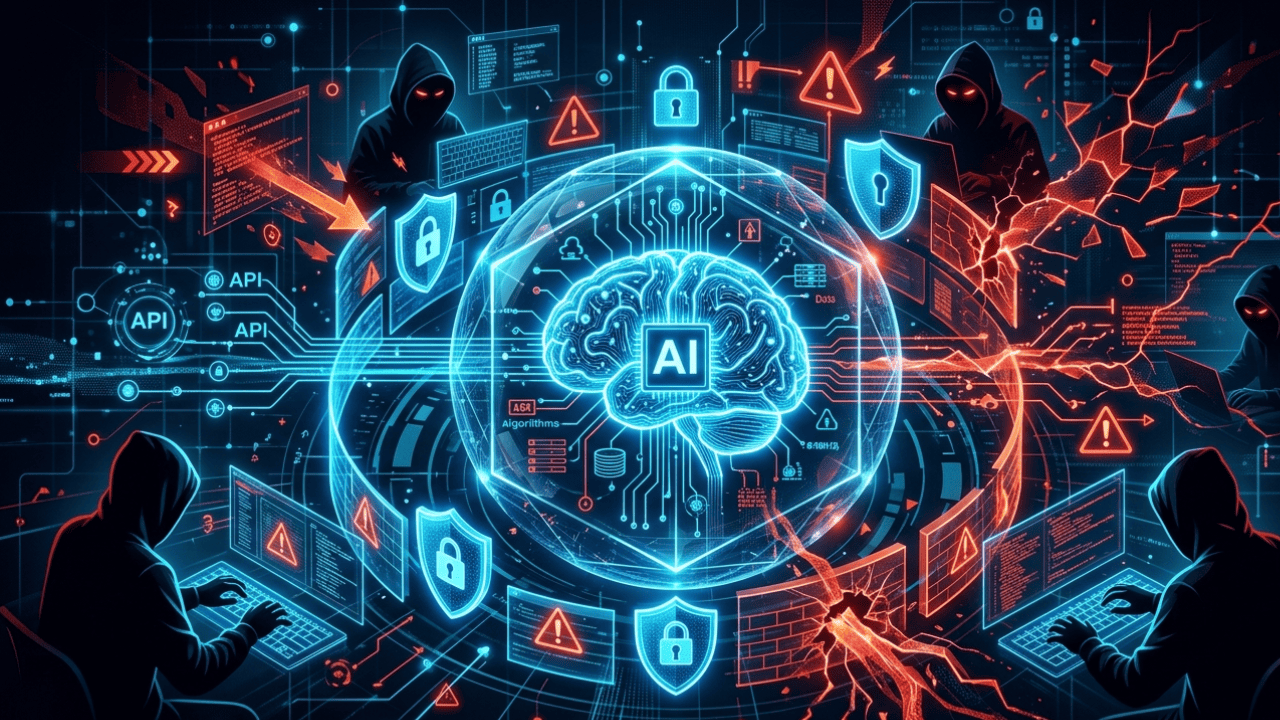
Introduction AI is growing fast. Businesses now use artificial intelligence for customer service, data analysis, hiring, and more. However, this rapid growth comes with a serious downside. AI security risks are rising at an alarming rate in 2026. Attackers are learning how to exploit AI systems in ways that never existed before. Every new AI tool creates a new potential entry point. In addition, many organisations deploy AI faster than their security teams can keep up. As a result, cybercriminals have more opportunities than ever. Understanding these risks is the first step to staying protected. What are AI security risks? AI security risks are the ways that AI systems can be attacked, manipulated, or misused. Unlike traditional software, AI learns from data. Therefore, it can be tricked in ways that standard code cannot. Traditional systems follow fixed rules. AI systems, however, make decisions based on patterns and probabilities. This means attackers can…

Zero Trust Security for AI Systems: Why Traditional Security Models Fail in 2026

Introduction Zero trust AI systems are becoming essential in 2026 as artificial intelligence continues to evolve rapidly. Old security rules no longer work against modern AI-driven threats. Hackers now use advanced AI tools to find system weaknesses faster than ever. It is widely recognized in frameworks like NIST Zero Trust Architecture. Traditional firewalls fail against modern artificial intelligence. These firewalls were built for a different era of technology. They were designed to keep people out of a physical building. Today, we face entirely new digital threats that don't care about physical walls. Networks are no longer simple and contained. They stretch across the globe through cloud servers and remote devices. This makes defending them incredibly complex for IT teams. You cannot protect what you cannot see or define. The stakes have never been higher for modern businesses. A single AI breach can ruin a company’s reputation forever. Customers will not…

Supply Chain Risks in Agentic AI Systems: Hidden Threats in AI Ecosystems (2026)

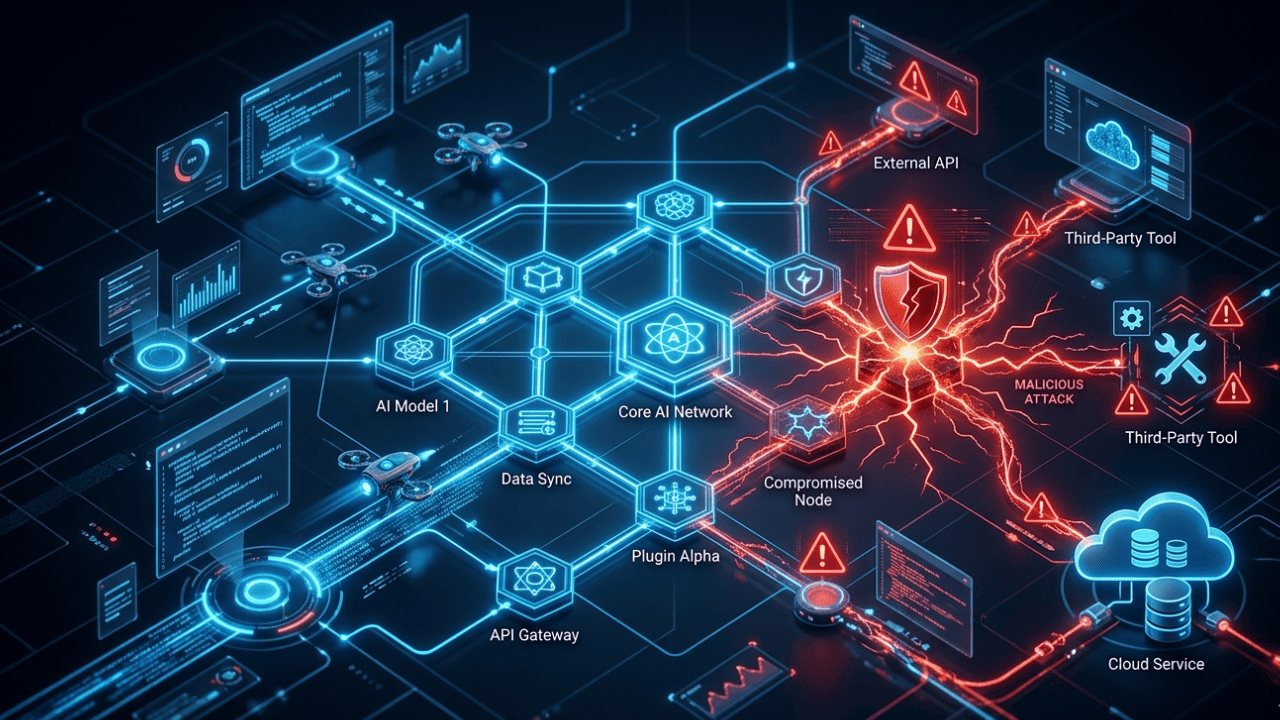
In 2026, one of the hazards that is expanding the quickest is supply chain risks related to AI. These days, AI systems are connected to third-party tools, plugins, and APIs. Attackers might use any connection as a point of entry. What Are Supply Chain Risks in AI? A supply chain attack happens when a threat actor targets a dependency rather than the main system. Think of it like poisoning a water supply instead of attacking one house. In AI, that means targeting the tools, models, APIs, or data your AI system depends on. If any piece is compromised, the whole system can be affected. Simple definition: If your AI trusts a tool, and that tool is evil — your AI is compromised. Why Agentic AI Makes Supply Chain Risks Worse Traditional software runs fixed instructions. Agentic AI takes autonomous actions, calls tools, and makes decisions on its own. That autonomy…

AI Identity Attacks in Cybersecurity: How Agentic AI Is Exploiting Credentials in 2026

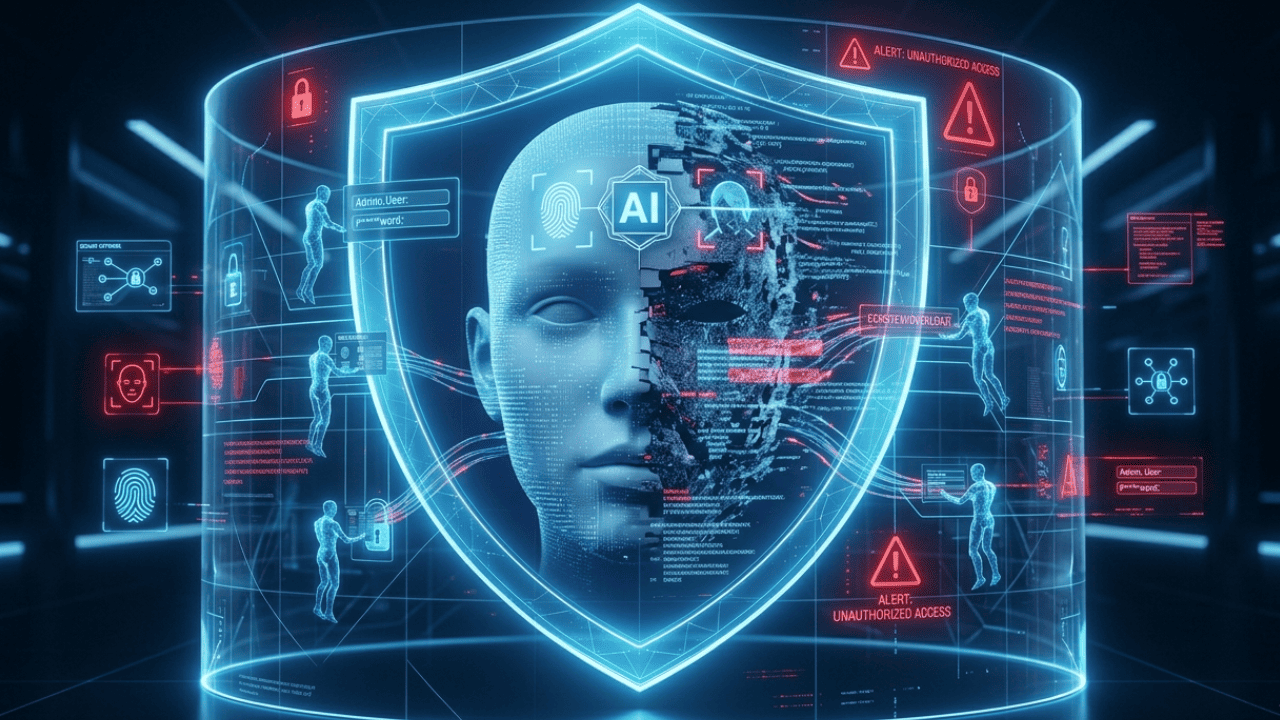
Introduction: Identity Is the New Perimeter - And AI Has Found the Gap In 2026, AI identity attacks in cybersecurity have become the defining threat facing enterprises. The most dangerous entry point into an organization is no longer an unpatched server or a misconfigured cloud bucket. It's an identity. Attackers have known this for years. But what's changed — dramatically — is who is doing the attacking. Artificial intelligence, specifically autonomous agentic AI systems, has transformed the threat landscape in ways most security teams are still scrambling to understand. AI identity attacks in cybersecurity are no longer theoretical. They are active, scalable, and increasingly hard to detect. Traditional breach patterns followed a relatively predictable arc: reconnaissance, exploitation, lateral movement, exfiltration. Human operators made decisions. Mistakes were made. Attackers left traces. Today's AI-powered adversaries compress that arc into minutes, operate with machine precision, and adapt in real time to every defensive…

Securing Agentic AI: Identity, Supply Chain & Autonomous Cybersecurity Risks in 2026

A comprehensive guide to agentic AI security, AI agent cybersecurity, and autonomous AI risks Introduction: The Dawn of the Autonomous AI Era Imagine a world where software doesn't just respond to commands - it acts on its own, makes decisions, and operates across your entire digital infrastructure without requiring a human to click a single button. Indeed, that world is already here. Agentic AI security is no longer a theoretical challenge; it is one of the most urgent priorities facing every organization in 2026. In fact, AI agents are now booking meetings, writing and deploying code, managing cloud infrastructure, responding to customer queries, and even monitoring other security systems - all autonomously. This explosive growth in autonomous AI capabilities has fundamentally changed the cybersecurity landscape. Historically, traditional security models were built around the assumption that a human sits at the center of every important action. A person logs in, a…

10 Technology Trends Next 5 Years That Will Completely Change the World

Imagine waking up in 2030 to a world where your doctor diagnoses illness before you feel a single symptom, your city adjusts its traffic lights in real time to cut your commute in half, and clean energy powers everything you own. This isn't science fiction — it's the trajectory of the technology trends next 5 years that are already in motion today. Whether you're a business owner, a curious professional, or simply someone who wants to understand what technology will look like in 5 years, this guide breaks it all down in plain language. Here are the ten most transformative trends you need to know about. 1. Artificial Intelligence Moves from Tool to Co-Worker The artificial intelligence future impact is no longer theoretical. AI has already reshaped search engines, customer service, and content creation — but what's coming next is a dramatic leap forward. Within five years, AI agents won't…

AI-Powered Cybersecurity: The Rise of Autonomous Threat Defense

Traditional cybersecurity models are collapsing under their own weight. Security teams today face a fundamental mismatch: adversaries operate at machine speed, launching thousands of coordinated attacks simultaneously, while defenders still rely heavily on human analysis, manual triage, and rule-based systems that cannot keep pace. As enterprises navigate increasingly complex digital ecosystems, AI-powered cybersecurity has emerged not as a futuristic concept, but as an operational necessity. The shift toward autonomous threat defense represents the most significant transformation in digital security since the introduction of firewalls—a transition from reactive human-led responses to proactive, self-adapting systems capable of operating at the speed and scale of modern threats. What Is Autonomous Threat Defense? Autonomous threat defense refers to cybersecurity systems that can independently detect, analyze, and respond to threats without requiring human intervention for routine decisions. Unlike traditional security tools that follow predetermined rules or require analyst approval for each action, autonomous systems leverage…

Are Smart Glasses About to Replace Your Phone in 2026?

The smartphone has been an indispensable part of modern life for over a decade, transforming the way we communicate, work, and access information. Yet, despite its ubiquity, many users are beginning to experience smartphone fatigue—constant notifications, endless scrolling, and the physical strain of prolonged screen time. Enter smart glasses replacing smartphones, a wearable technology designed to deliver information, connectivity, and interaction in a more seamless, hands-free manner. With tech giants and startups racing to develop AI smart glasses and augmented reality glasses, the question arises: could these devices realistically replace smartphones by 2026? As we approach the mid-2020s, wearable technology 2026 is not just about novelty gadgets. It represents a potential paradigm shift in how we interact with digital content. Smart glasses are revolutionising convenience, from voice-activated assistants built right into eyewear to mixed reality gadgets that superimpose information on the actual environment. This article explores the state of smart…