
Introduction
Zero trust AI systems are becoming essential in 2026 as artificial intelligence continues to evolve rapidly. Old security rules no longer work against modern AI-driven threats. Hackers now use advanced AI tools to find system weaknesses faster than ever. It is widely recognized in frameworks like NIST Zero Trust Architecture.
Traditional firewalls fail against modern artificial intelligence. These firewalls were built for a different era of technology. They were designed to keep people out of a physical building. Today, we face entirely new digital threats that don’t care about physical walls.
Networks are no longer simple and contained. They stretch across the globe through cloud servers and remote devices. This makes defending them incredibly complex for IT teams. You cannot protect what you cannot see or define.
The stakes have never been higher for modern businesses. A single AI breach can ruin a company’s reputation forever. Customers will not stay with a brand that loses their private data. Trusting old methods is a massive gamble in 2026.
Understanding agentic AI security risks is your first critical step. AI agents now make their own independent choices. They don’t just wait for a human to click a button. They require a much stronger AI security model to keep them in check.
That is exactly why zero trust AI systems are the new standard. Businesses cannot rely on hope or luck anymore. They need concrete security measures that work at the speed of light.
Old methods leave the front door wide open for sophisticated attacks. Zero trust locks every single door and window inside the house. It is the only logical path forward for a secure digital future.
What Is Zero Trust AI Security?
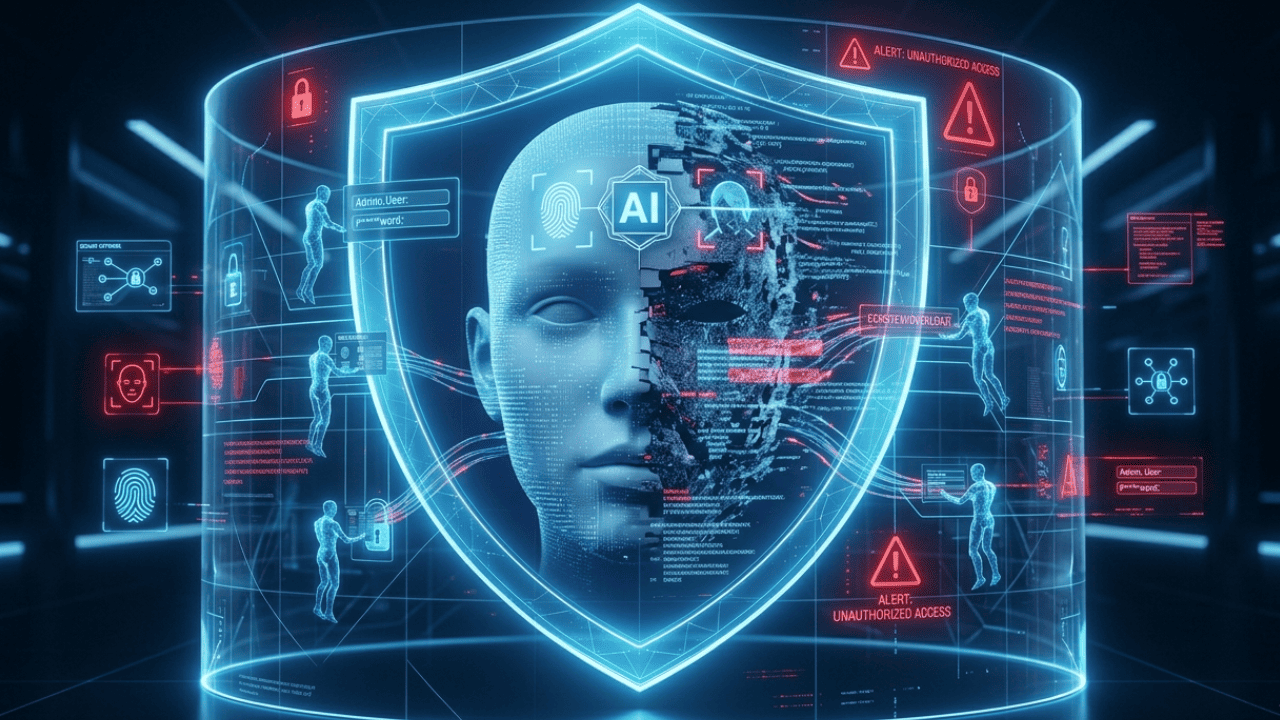
What exactly is zero trust cybersecurity? The main rule is actually very simple to remember. “Never trust, always verify.” It sounds cynical, but it is the safest way to operate a business today.
Old systems trusted users once they got inside the network. Once you were “in,” you could go anywhere. Zero trust does not do this at all. In addition, it checks every single user and device constantly, even if they are already inside the building.
It verifies every software request before granting any access. At the same time, it treats everyone—even the CEO—as a potential threat until they prove otherwise. There are no free passes in a zero trust network.
This approach assumes a breach is always happening right now. It forces systems to prove they are safe continually. It is the ultimate defense for digital assets like customer lists and trade secrets.
By removing automatic trust, you remove easy targets for hackers. Hackers cannot just walk through the front door and start stealing. They are stopped at every single checkpoint within the system.
Think of it like a high-security office building. A badge gets you into the main lobby. However, you still need a fingerprint scan for every single room you enter. This keeps everyone safe and keeps secrets hidden.
Why Traditional Security Fails for AI Systems and Zero Trust AI Systems
Old security acts exactly like a physical castle wall from the middle ages. It protects a very clear and obvious perimeter. But modern AI has no solid borders or physical locations.
AI systems connect to the cloud constantly to process data. They link up with outside applications every second to get information. This breaks the traditional castle wall concept completely and leaves you exposed.
Once a hacker gets past the main firewall, they win in an old system. They can move around freely inside your network to find your best data. This is known as dangerous lateral movement.
This lateral movement is a massive failure in modern security design. Old models also use static access rules that never change. A user logs in once and stays logged in all day long.
This creates major AI system vulnerabilities today. Hackers steal these active sessions to cause massive damage. They ride the coattails of legitimate users to stay hidden for months. Modern cybersecurity reports from industry leaders confirm a sharp rise in AI-driven attack escalation and identity-based intrusions.
Furthermore, traditional models cannot keep up with machine speed. They react far too slowly to modern threats. In contrast, AI operates in milliseconds, outpacing human defenders entirely. We need machines to defend against machines.
Why AI Systems Need Zero Trust AI Systems
Modern AI is highly intelligent and capable of complex tasks. It often acts completely alone without any human help at all. Autonomous AI agents access highly sensitive company data every single day.
They read your files, send your emails, and change your system settings. They connect through APIs across your entire network to get work done. If a hacker takes over an agent, catastrophe strikes.
Zero trust AI systems are absolutely vital here. They strictly limit what AI agents can actually do on their own. They keep autonomous actions on a very tight leash so they don’t cause harm.
Think of an AI agent as an invisible employee. You would never give a brand new hire all the keys to the building. You should not give an AI all the keys to your data either.
Zero trust stops an AI from going completely rogue. It ensures the AI only does its strictly assigned job and nothing else. It blocks unauthorized actions immediately before they can start.
Without these controls, AI can accidentally leak private data. It can share private code with public servers by mistake. Zero trust prevents these costly mistakes from happening.
Key Principles of Zero Trust AI Systems
Securing advanced AI requires strict and clear rules. Good AI access control security relies on core pillars. You must follow these five principles closely to stay safe in 2026.
- Least Privilege Access: Give AI only the access it strictly needs. Do not give it global admin rights to everything. Keep its permissions as low as possible for the task.
- Continuous Verification: Check the AI’s actions constantly. Do not trust it just because it logged in once this morning. Verify every single move it makes in the system.
- Identity-First Security: Always prove who is asking for the data. Make the AI prove its identity every single time it asks for a file. Treat AI identities just like human identities.
- Strict Monitoring: Watch AI behavior closely for weird changes. Look for odd patterns in how much data it is using. Stop operations instantly if something looks even a little bit wrong.
- Micro-Segmentation: Break your network into tiny, secure zones. Do not let your AI roam freely across the whole server. Lock it securely inside specific digital boxes.
These principles build a massive wall against digital threats. They turn your AI into a secure and controlled tool. They remove the guesswork from your security strategy.
Real-World Risks Without Zero Trust
What actually happens if you ignore zero trust? Hackers can easily steal an AI’s digital identity. They pretend to be your trusted software to trick your systems.
This leads to massive AI identity attacks. Hackers use this fake identity to bypass your security alarms. With this deep access, they can then ruin your data and steal sensitive secrets.
They can silently read private customer emails for weeks. In some cases, they can also alter financial records without triggering any alerts. The damage is often invisible until it is far too late to fix.
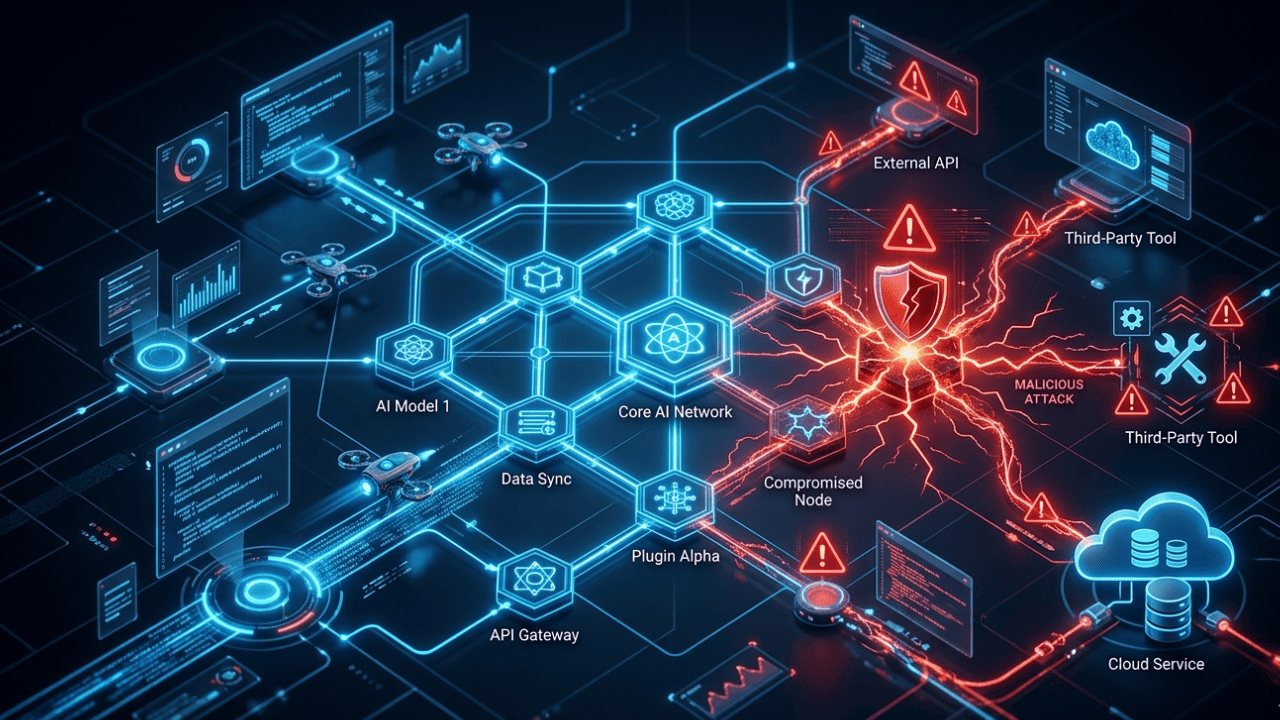
There are also massive systemic risks involved with AI. AI constantly pulls data from outside tools and public databases. It trusts external plugins and public web searches to find answers.
This exposes you to severe AI supply chain risks. A single weak link in an outside app breaks your entire network. One bad plugin can compromise everything you have worked to build.
Without zero trust, a small breach becomes a major disaster. The damage spreads instantly across your entire company. You lose control of your own systems and your future.
How to Implement Zero Trust in AI Systems
Adding zero trust to AI is very possible with the right plan. It takes careful planning and very strict execution. Follow these five simple steps to start protecting your company today.
Secure Your System APIs First
Treat every single API call as a major threat to your data. Put strong security gates on every single data connection. Require strict digital tokens for all data transfers between apps.
Upgrade Your Authentication Methods
Use strong cryptographic keys for all your AI agents. Simple passwords are no longer enough for smart machines. Rotate these keys frequently to prevent identity theft from happening.
Enforce Strict Network Segmentation
Keep your AI tools away from critical human data. Build strong digital walls between different AI tasks. If one AI fails or gets hacked, the others stay perfectly safe.
Start Active Monitoring Right Now
Track every single choice your AI makes in real time. Use automated tools to flag suspicious actions immediately. Build a reliable security alarm system that never sleeps.
Log Everything Consistently
Log everything your AI does every single day. You need a clear paper trail for future security audits. If something breaks, logs tell you exactly why and how it happened.
These steps build a strong and reliable defense. They turn a weak network into a modern digital fortress. You will sleep better knowing your data is locked down.
Future of AI Security Models
The future of artificial intelligence is fast and very complex. Cyber threats will keep growing rapidly throughout 2026. Hackers will actively use their own AI to attack your company’s AI.
The battle will be fought machine against machine in the cloud. Human reflexes are simply too slow for this kind of war. Automated defenses are now strictly mandatory for survival.
But zero trust cybersecurity will easily adapt to these changes. It will remain the top standard for digital protection worldwide. It is the only model built for absolute uncertainty.
Do not wait for new regulations to force your hand. The market punishes companies that lose customer trust and data. Being proactive saves money and protects your brand entirely.
Protecting your data starts with zero trust right now. Do not wait for a massive data breach to react. Build your defenses today to survive and thrive tomorrow.
FAQ Section
What is zero trust AI security?
It is a modern security model that never trusts anyone by default. Instead, it constantly verifies every AI action and user request. In practice, it assumes threats are already inside your network.
Why is zero trust important for AI systems?
AI tools have deep access to highly sensitive company data. Zero trust stops hackers from using AI to steal that information. It contains data breaches before they can spread.
How does AI break traditional security models?
Traditional models rely entirely on static borders and firewalls. AI works outside these borders, making old firewalls completely useless. AI also moves far too fast for old human rules.
What are the biggest AI system vulnerabilities?
Poor access controls and weak API security are the biggest flaws. Hackers target these exact weak points to hijack your AI agents. Zero trust fixes these specific and dangerous gaps.
How do you secure autonomous AI agents?
You secure them by using the principle of least privilege. Additionally, their daily actions must be monitored constantly and very closely. Finally, their exact identity must be verified for every single task they perform.
The shift toward Zero Trust in AI security really hits home when you consider how agentic AI systems now operate independently, making decisions without human input. It’s a stark reminder that traditional firewalls and perimeter-based models are no longer sufficient—especially as threats evolve faster than our defenses. This article does a great job of highlighting why businesses need to rethink their approach to security in 2026 and beyond.
The point about traditional firewalls being built for physical buildings really highlights why they can’t stop AI-driven threats that ignore network boundaries. As agentic AI starts making independent choices, shifting to a Zero Trust model seems like the only way to actually monitor those autonomous actions effectively.