
Introduction
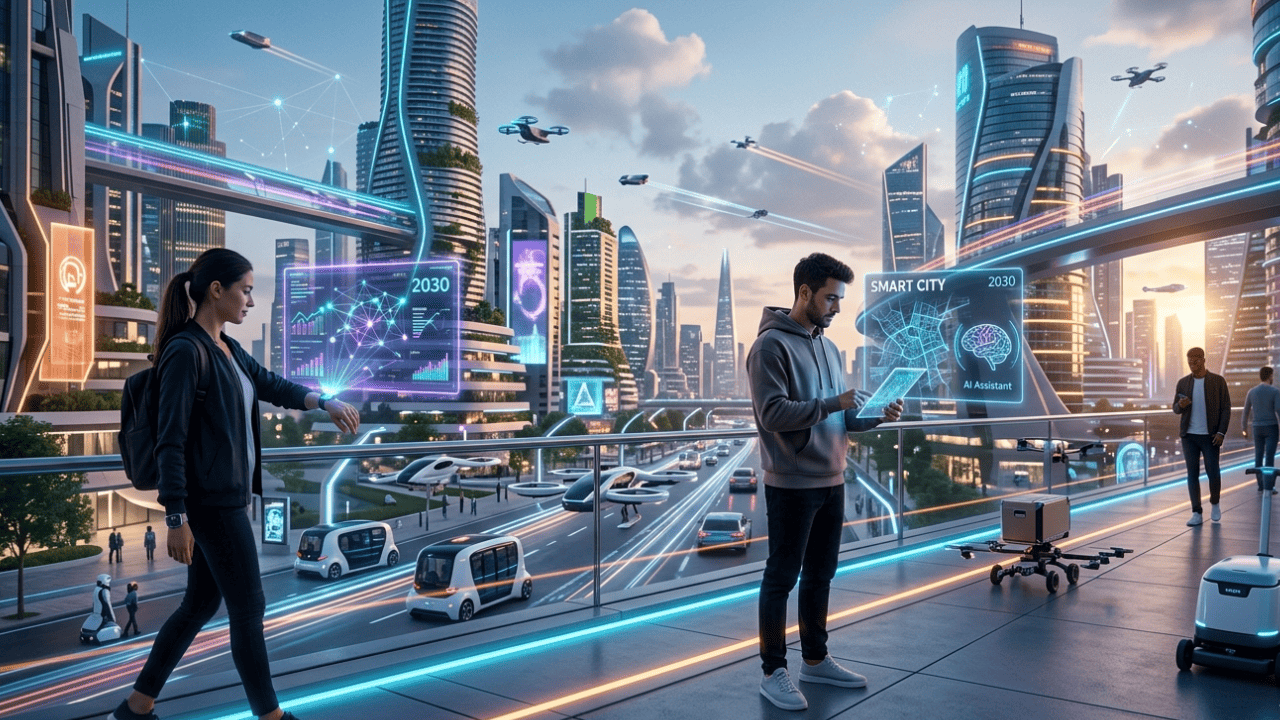
The workplace is evolving more quickly than in the past. Jobs in 2030 will look very different from the jobs we know today. New technologies are reshaping entire industries. As a result, millions of people are asking the same question: what careers will actually exist in the future?
Some roles are already disappearing. Meanwhile, brand-new job titles are emerging every year. Understanding these shifts now can give you a real advantage. To put this in context, it helps to look at the broader technology trends next 5 years that are driving these changes.
The good news? You have time to prepare. Let’s explore what’s coming.
Why Future Jobs Are Changing So Fast
Technology is the biggest driver of change in the workplace. Artificial intelligence can now do tasks that once required years of human training. Automation is replacing repetitive work in factories, offices, and even hospitals.
Digital transformation is also speeding things up. More businesses are moving online. They need new skills, new tools, and new types of workers. Furthermore, the rise of remote work has opened global competition for many roles.
Simply put, if a job involves routine tasks, it is at risk. However, jobs that need creativity, problem-solving, and human connection are growing fast.
Top Jobs in 2030
These are the careers that experts believe will be in high demand. Many of them don’t fully exist yet – but they will.
AI Specialist and Prompt Engineer
Artificial intelligence is everywhere, and someone has to build and guide it. Specialists in this field design intelligent systems for businesses. Prompt engineers write the instructions that tell AI tools how to behave. This role is already growing rapidly. By 2030, it will be one of the most in-demand careers in the future.
Data Privacy and Cybersecurity Experts
More data means more risk. Companies collect huge amounts of personal information every day. Therefore, they need experts to protect it. Cybersecurity professionals will defend systems from hackers and breaches. Data privacy specialists will ensure companies follow strict regulations. This field will only get bigger.
Robotics Engineers and Technicians
Robots are moving out of factories and into hospitals, homes, and warehouses. Robotics engineers design and build these machines. Technicians keep them running. As automation spreads, so does the need for skilled people to manage it. This is one of the fastest-growing future jobs today.
Healthcare Technology Specialists
Healthcare is being transformed by technology. Wearable devices monitor patients in real time. AI tools help doctors diagnose diseases earlier. Healthcare technology specialists sit at the intersection of medicine and tech. They manage digital health systems and support clinical AI tools. Demand for this role will surge over the next decade.
Renewable Energy Experts
Climate change is pushing governments and businesses to go green. Solar, wind, and hydrogen energy industries are expanding quickly. Renewable energy experts design, install, and manage clean energy systems. Additionally, policy advisors in this space are needed to guide governments. This is one of the most important jobs of the future.
Digital Content and AI Trainers
AI models need human feedback to improve. AI trainers review outputs, correct errors, and teach models to behave correctly. At the same time, digital content creators are needed to feed the internet’s growing appetite for quality content. Together, these roles blend creativity with technical know-how.
Virtual Reality and Metaverse Designers
Virtual reality is no longer limited to video games. Companies use it for training, remote meetings, and product design. Metaverse designers build immersive digital environments. They combine 3D design skills with storytelling and user experience. By 2030, this could be one of the most creative – and well-paid – careers available.
Jobs That May Disappear by 2030
Not all careers will survive the next decade. Repetitive, rule-based jobs are most at risk. For example, data entry clerks, basic customer service agents, and assembly line workers face serious displacement.
Bank tellers, travel agents, and even some junior accountants may find their roles automated. Moreover, truck and delivery driving could be disrupted as self-driving vehicles improve. This doesn’t mean workers are helpless. It does mean they need to adapt early.
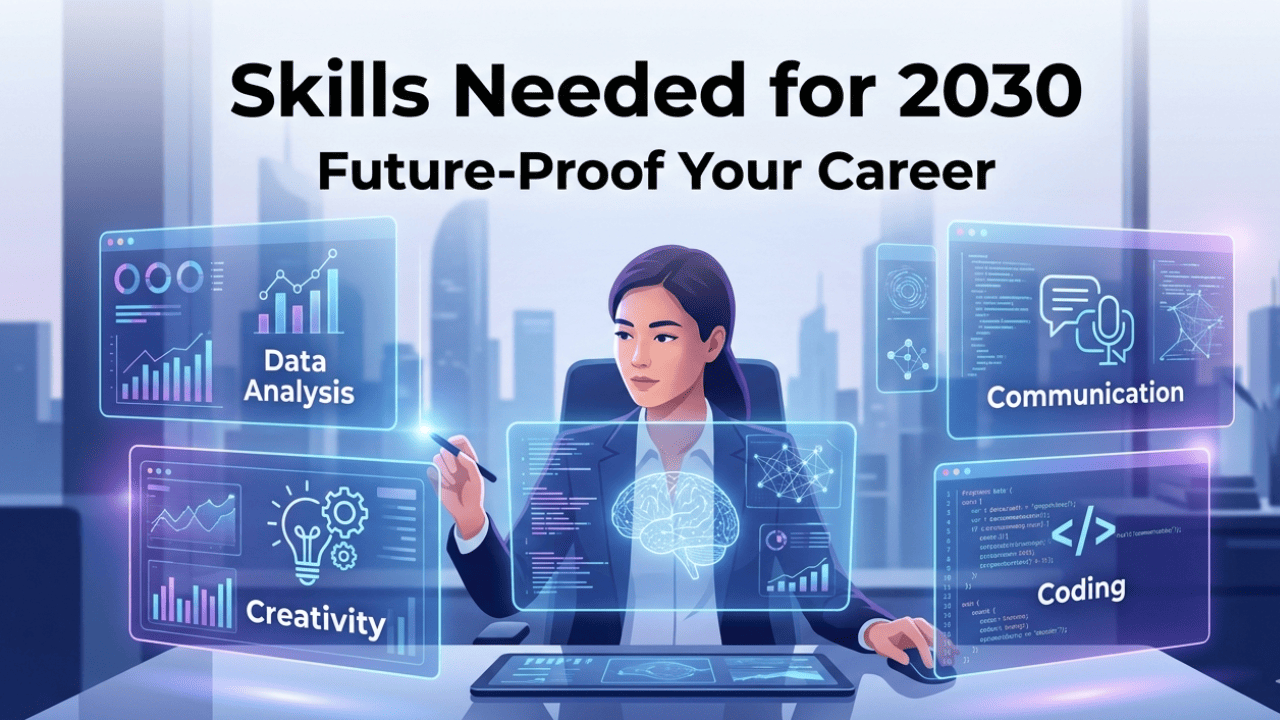
Skills Needed for Jobs in 2030
The LinkedIn Workforce Report consistently shows that adaptability and digital literacy are the top skills employers now seek.
- Critical thinking – the ability to analyse problems and find smart solutions
- Creativity – machines can generate, but humans still innovate best
- Tech awareness – you don’t need to code, but you need to understand digital tools
- Adaptability – industries will keep shifting, so flexibility is essential
- Collaboration – working with both humans and AI systems will be the norm
Soft skills are just as important as hard skills. In fact, the jobs most resistant to automation are those that require empathy, communication, and leadership.
Risks and Challenges for Jobs in 2030
The shift toward future jobs is not without problems. Job displacement is a real concern. Transitioning may be difficult for workers in conventional sectors. Companies and governments need to fund retraining initiatives.
AI itself brings new risks. Bias in AI systems can cause unfair hiring or medical decisions. Deepfakes and misinformation are growing threats to businesses and individuals. For a deeper look at these dangers, it’s worth reviewing the latest AI security risks in 2026 that organisations are already facing.
Cybersecurity threats will also increase as more of our lives move online. Without the right safeguards, digital growth could create more vulnerability than opportunity.
How to Prepare for Future Careers
The best time to start preparing is right now. Here are some doable actions you can do right now.
Start learning new skills. Online platforms like Coursera, LinkedIn Learning, and edX offer affordable courses in AI, data, cybersecurity, and more. Many are free.
Focus on upskilling in your current field. You don’t always need to switch careers. Instead, look for ways to add technology skills to what you already do.
Stay curious and updated. Follow industry news. Read about trends in your sector. Join professional communities online. The more you know, the better you can adapt.
Build a flexible mindset. The jobs of tomorrow may not even exist yet. People who stay open to change will have the biggest advantage.
Platforms like Coursera offer free and paid courses in AI, data science, and cybersecurity to help you upskill today.
Conclusion
Change is coming, whether we are ready or not. Jobs in 2030 will reward those who are curious, adaptable, and willing to keep learning. The future of work isn’t something to fear – it’s something to prepare for.
Some careers will disappear. However, many exciting new roles will take their place. The key is to act early, build the right skills, and stay ahead of the curve. Your future career might not even have a name yet – and that’s exactly what makes this moment so full of possibility.
Frequently Asked Questions
What jobs will exist in 2030?
Many exciting careers will thrive in 2030, including AI specialists, cybersecurity experts, robotics engineers, healthcare technology roles, renewable energy experts, and metaverse designers. These fields are already growing and will continue to expand.
Which jobs will disappear by 2030?
The most vulnerable jobs are those that need repetitive, rule-based work. These include data entry clerks, basic customer service agents, some delivery drivers, and assembly line workers. Automation is the main driver of these changes.
What skills are needed for future jobs?
The most valuable skills will be critical thinking, creativity, adaptability, digital literacy, and the ability to collaborate with AI systems. Soft skills like communication and empathy will also be highly sought after.
Will AI replace jobs?
AI will replace some jobs – particularly routine ones. However, it will also create many new roles that we cannot fully predict yet. Most experts agree that AI will change the nature of work rather than eliminate it entirely. The workers who learn to work alongside AI will be best positioned for success.

Great article! I’ve been using CV Builder Free (/) for similar projects. CV Builder Free
Bonne lecture. Pixwit () pour pubs et storytelling. Pixwit
Clear and useful tips here. One guide I use for Sete a Zero is Sete a Zero: /. Sete a Zero
tsizsmexfnzngrqwnvnxkltrxwswgt
pokwerldvgotkwkjghxnvwdzjzfrxn
Admiring the time and effort you put into your website and detailed information you offer. It’s nice to come across a blog every once in a while that isn’t the same unwanted rehashed information. Excellent read! I’ve saved your site and I’m including your RSS feeds to my Google account.
Solid workflow tool M3U8 Player for routine M3U8 checks and downloads.
Thanks for sharing this! I genuinely appreciated the way you covered “Jobs in 2030:
Careers That Will Exist in the Future” — it’s rare to see such a
practical perspective. Lately I’ve been reading up
on similar subjects too, and I put together some notes here:
https://kslfllc.com/ Keep it up!