Disclaimer: This page does not provide medical advice; it is just meant to be informative. Always consult a qualified healthcare professional before starting, changing, or stopping any medication or weight loss programme.
Introduction
Semaglutide weight loss UK is a leading treatment option for adults in England, Scotland, Wales, and Northern Ireland who want clinically supported, sustainable weight loss. Backed by strong evidence and increasing NHS adoption, semaglutide helps reduce appetite, support healthier eating habits, and improve long-term outcomes when combined with lifestyle changes.
But here’s what most articles won’t tell you: medication alone is only part of the picture.
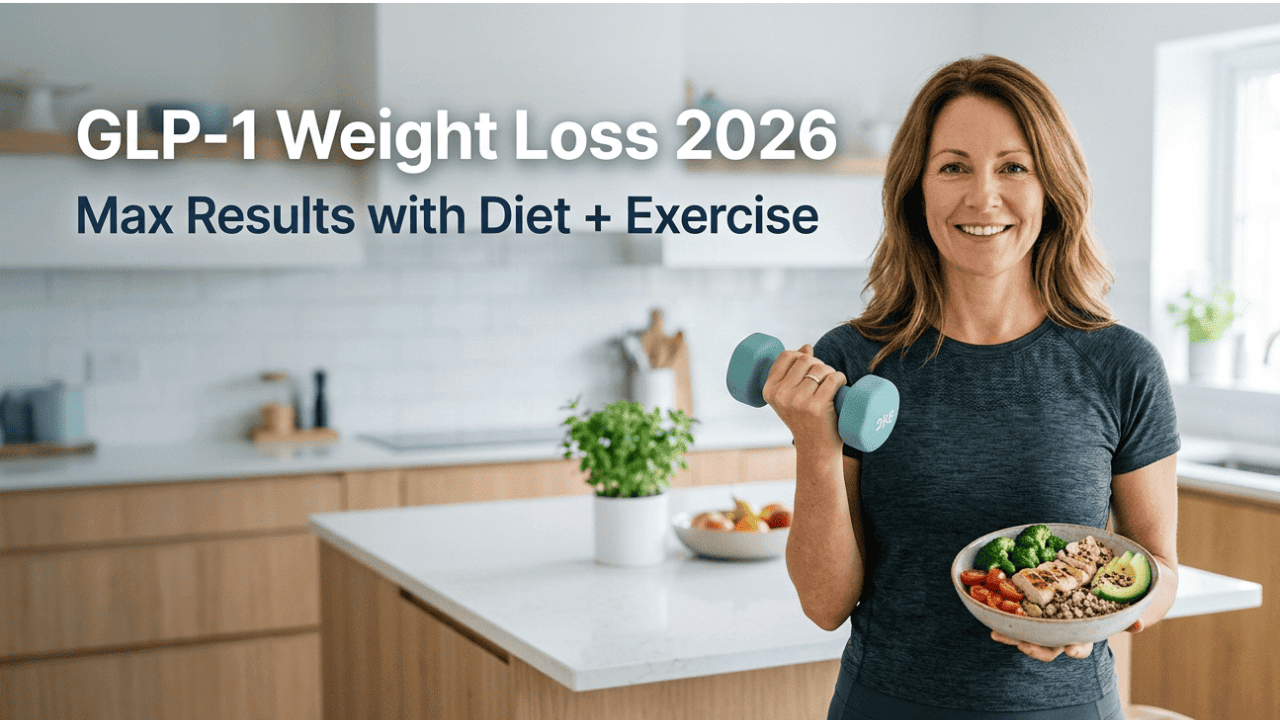
People who achieve the most significant and lasting results don’t simply inject once a week and wait. They pair the drug with targeted nutrition, appropriate exercise, and sustainable lifestyle habits. Done right, this combination doesn’t just accelerate weight loss — it preserves muscle mass, improves long-term health outcomes, and reduces the risk of regaining weight once treatment ends.
This guide is designed specifically for UK readers in 2026. Whether you’re currently on a GLP-1 medication, considering it, or researching options for a family member, you’ll find evidence-based, practical advice on how to make the most of this treatment — safely and responsibly.
What Is Semaglutide Weight Loss UK and How It Works (Semaglutide Explained)
GLP-1 stands for glucagon-like peptide-1 — a naturally occurring hormone produced in your gut in response to eating. It plays a central role in regulating blood sugar, slowing digestion, and signalling to your brain that you’re full.
GLP-1 receptor agonists, including semaglutide, are medications that mimic this hormone, amplifying its effects and helping the body better regulate appetite and metabolism — a mechanism central to semaglutide weight loss UK results.
The most widely discussed GLP-1 medication in the UK right now is semaglutide, which is available under two brand names:
- Wegovy — licensed in the UK specifically for chronic weight management in adults with obesity or overweight with weight-related health conditions
- Ozempic — licensed primarily for type 2 diabetes management, though it contains the same active ingredient at different doses
Other GLP-1 medications available or emerging in the UK include liraglutide (Saxenda) and tirzepatide (Mounjaro), the latter of which acts on both GLP-1 and GIP receptors and has shown impressive results in trials.
Semaglutide is administered as a once-weekly subcutaneous injection, typically starting at a low dose and gradually increasing over several months to improve tolerability.
Mechanism Behind Semaglutide Weight Loss UK
Understanding the mechanism helps you work with the medication rather than against it, which is crucial for achieving optimal semaglutide weight loss UK outcomes.
When you inject semaglutide, it binds to GLP-1 receptors throughout your body — particularly in the brain, pancreas, and digestive system. Here’s what happens:
Appetite suppression: Semaglutide acts on the hypothalamus, the brain region responsible for hunger signals. Most people report a significant reduction in appetite, fewer food cravings, and an increased sense of fullness after smaller portions.
Slowed gastric emptying: Food moves more slowly through your stomach and small intestine, which prolongs feelings of satiety and reduces post-meal blood sugar spikes.
Improved insulin sensitivity: Semaglutide stimulates insulin release in a glucose-dependent manner, meaning it helps your body process blood sugar more efficiently without causing dangerous hypoglycaemia in people without diabetes.
Reduced food noise: Many users describe a quietening of obsessive or intrusive thoughts about food — something clinical researchers are only beginning to quantify but which patients consistently report as transformative.
The result of all this, particularly when paired with lifestyle changes, is a sustained caloric deficit that produces meaningful, medically significant weight loss over time.
Why Lifestyle Matters for Semaglutide Weight Loss UK
The STEP clinical trials — the pivotal studies that led to Wegovy’s approval — showed participants losing an average of around 15% of their body weight over 68 weeks. Crucially, participants in these trials also received structured lifestyle intervention support alongside the medication.
Here’s why lifestyle integration isn’t optional — it’s the multiplier.
Muscle preservation becomes critical. Rapid weight loss of any kind, including on GLP-1 medications, carries a risk of losing lean muscle mass alongside fat. Without adequate protein intake and resistance training, a meaningful proportion of weight lost can come from muscle rather than adipose tissue. This slows your metabolism and increases the likelihood of weight regain.
The medication creates the window — you decide what to do with it. Proper diet and exercise are essential for maximising semaglutide weight loss UK results. GLP-1 drugs reduce appetite and make healthy choices easier. But if the foods you’re eating are still ultra-processed and nutritionally poor, or if you remain completely sedentary, you’re not maximising what the treatment can offer.
Long-term sustainability depends on new habits. Most people are not on GLP-1 medications indefinitely. Building robust dietary patterns and exercise habits while on the drug gives you the best possible foundation for maintaining results after treatment ends.
Step-by-Step Guide to Maximising Semaglutide Weight Loss UK Results
Best Diet for GLP-1 Users
The reduced appetite that semaglutide produces means many people naturally eat less — but eating less of the wrong things can leave you undernourished and at risk of muscle loss, fatigue, and nutritional deficiencies. Following a well-planned diet is key for safe and effective semaglutide weight loss UK.
Prioritise protein above everything else. Aim for a minimum of 1.2–1.6g of protein per kilogram of your target body weight per day. Good UK-accessible sources include:
- Turkey, lean beef or lamb chops, and chicken breast
- Oily fish such as salmon, mackerel, and sardines (also excellent for omega-3s)
- Eggs and Greek-style yoghurt
- Cottage cheese, Quark, and low-fat dairy
- Pulses — lentils, chickpeas, and black beans are particularly protein-dense and budget-friendly
Eat nutrient-dense, volume-rich foods. Because your stomach capacity is effectively reduced on semaglutide, every meal needs to count nutritionally. Aim to fill half your plate with non-starchy vegetables, a quarter with lean protein, and a quarter with complex carbohydrates.
Limit ultra-processed foods. Research consistently shows that ultra-processed foods — heavily present in the average UK diet — drive overeating through mechanisms that partially bypass GLP-1 satiety signals. Reducing crisps, ready meals, biscuits, and sugary drinks will significantly enhance your results.
Don’t skip meals. Counterintuitively, some people on semaglutide eat so little they disrupt their metabolism and trigger muscle breakdown. If you’re struggling to eat enough, try smaller, more frequent meals — three moderate meals with a protein-rich snack can work well.
Alcohol awareness. Alcohol sensitivity can increase on GLP-1 medications for some people. Beyond that, alcohol is calorie-dense and nutritionally empty. Limiting intake will meaningfully support your progress.
Exercise Plan for GLP-1 Weight Loss
The short answer to “can you exercise on semaglutide?” is not only true; you need to. Exercise is one of the most powerful ways to maximise and protect your results — a cornerstone of successful semaglutide weight loss UK programs.
However, your exercise approach needs to be intelligent, particularly in the early weeks when nausea and fatigue can be common side effects.
Weeks 1–4 (dose titration phase): Keep activity moderate. It’s acceptable to walk, swim, practise yoga and ride a light bike. Aim for 150 minutes of moderate-intensity movement per week, in line with NHS physical activity guidelines. Don’t push into high-intensity training while your body is adjusting to the medication.
Weeks 5 onwards: Gradually introduce structured resistance training. This is arguably the most important exercise intervention for GLP-1 users.
A practical resistance training schedule for beginners or returning exercisers:
- 3 sessions per week of 40–50 minutes
- Focus on compound movements: squats, deadlifts, rows, chest press, overhead press
- Use progressive overload — increase weight or reps gradually over time
- Between workouts, give yourself at least one day off
Combine with cardiovascular exercise. Two to three sessions of moderate cardio per week (brisk walking, cycling, swimming, rowing) supports heart health, insulin sensitivity, and additional calorie expenditure. You don’t need to be grinding through hour-long spin classes — consistent, moderate effort is more sustainable and just as effective.
Time your workouts sensibly. Many semaglutide users find nausea is worse in the 24–48 hours following their injection. If that’s the case for you, schedule more demanding workouts for later in the week when nausea has subsided.
How to Avoid Muscle Loss on GLP-1
Muscle loss is one of the most under-discussed risks of GLP-1 treatment — and one of the most important to address.
Studies, including a 2023 analysis of body composition data from the STEP trials, suggested that a significant proportion of weight lost on semaglutide can include lean mass, particularly without lifestyle intervention. Here’s how to protect yourself:
- Hit your protein targets every single day. This is non-negotiable. Spread intake across meals rather than loading it all into one sitting.
- Resistance train consistently. Muscle is preserved — and even built — in response to mechanical loading. Without it, caloric restriction alone will erode lean mass.
- Don’t create too aggressive a calorie deficit. Aim for a daily calorie deficit of no more than 500–750. Dropping below 1,200 calories (women) or 1,500 calories (men) without medical supervision is not advisable.
- Consider creatine supplementation. Creatine monohydrate is one of the most well-researched supplements in existence, supporting muscle retention and performance during weight loss phases. It is safe, inexpensive, and widely available in the UK.
- Sleep adequately. Poor sleep impairs muscle protein synthesis and increases cortisol, which accelerates muscle breakdown. Aim for 7–9 hours per night.
Common Mistakes to Avoid
Even with the best intentions, people on semaglutide frequently make avoidable errors. The most consequential include:
Relying on the drug alone. The medication reduces appetite — it doesn’t guarantee you’ll make good nutritional choices or move your body more. Active engagement with diet and exercise is still required.
Under-eating protein. This is the single most common mistake and one with serious consequences for body composition. Track your protein intake, at least initially, to make sure you’re meeting your targets.
Stopping exercise when nausea hits. Nausea is common, particularly at higher doses. But stopping all activity isn’t the answer. Gentle movement — walking, stretching — is usually manageable and actually helps some people feel better.
Expecting linear progress. On semaglutide, weight reduction is seldom linear. Plateaus are normal. Don’t interpret a stall as failure — it’s often the body adjusting. Review your protein intake, training consistency, and sleep rather than immediately escalating your dose.
Ignoring hydration. Reduced appetite can also mean reduced thirst awareness. Aim for at least 2 litres of water daily — more if you’re exercising.
UK-Specific Guidance on GLP-1 Weight Loss: Accessing GLP-1 Medications Safely in 2026
NHS Access
In England, Wegovy (semaglutide 2.4mg) is available through NHS specialist weight management services for eligible adults. NICE guidance (updated 2023) recommends it for adults with a BMI of 35 or above and at least one weight-related health condition, or in some cases from BMI 30 with specific risk factors. Full prescribing recommendations are available via NICE guidance
NHS access is currently limited by service capacity and supply constraints, meaning waiting times through specialist pathways can be lengthy. Scotland, Wales, and Northern Ireland have their own prescribing frameworks, so eligibility criteria may vary slightly depending on where you live.
Private Prescriptions
Many UK adults are accessing semaglutide through regulated private clinics and online prescribing services. This is legal and legitimate — provided the service is registered with the Care Quality Commission (CQC) in England, or equivalent regulatory bodies in devolved nations, and prescriptions are issued by registered prescribers following a proper clinical assessment. You can verify providers through the Care Quality Commission (CQC).
When using private services, look for:
- GMC-registered prescribers conducting genuine medical consultations
- Services that ask about your medical history, current medications, and contraindications
- Clear pathways for ongoing monitoring and support
- Cost and dosage titration schedule transparency
Be cautious of unregulated online sources. Counterfeit semaglutide and unlicensed compounded versions have been circulating in the UK. Only purchase medication from CQC-registered pharmacies or through services working with MHRA-approved manufacturers.
Who Should Not Take Semaglutide
Semaglutide is not suitable for everyone. It is generally contraindicated in people with:
- A history of medullary thyroid cancer in oneself or one’s family
- Multiple endocrine neoplasia syndrome type 2 (MEN2)
- Pancreatitis history (requires careful clinical judgement)
- Pregnancy or those planning to become pregnant
- Certain gallbladder conditions
Before beginning therapy, be sure your prescriber is aware of your whole medical history.
GLP-1 Weight Loss for Women Over 40: What You Need to Know
This topic warrants its own section, as women over 40 face specific physiological challenges that influence how GLP-1 medications work and what lifestyle integration looks like in practice.
Hormonal changes matter. Perimenopause and menopause shift fat distribution, increase insulin resistance, and reduce the body’s natural anabolic response to exercise. GLP-1 medications can help address insulin resistance directly, making them particularly relevant for this group.
Muscle loss risk is higher. Oestrogen plays a significant role in muscle preservation. As levels decline, the need for resistance training and adequate protein becomes even more critical. Women over 40 on semaglutide should be especially diligent about both.
Bone density considerations. Significant calorie restriction can impair bone mineral density, a particular concern for perimenopausal women. Resistance training supports bone health, as does adequate calcium and vitamin D intake — both commonly deficient in the UK population.
Dose sensitivity may differ. Some women find they’re more sensitive to GLP-1 medications at lower doses, experiencing meaningful appetite suppression before reaching the maximum dose. Discuss this with your prescriber rather than automatically escalating.
GLP-1 Weight Loss UK: Frequently Asked Questions
How much weight may semaglutide weight loss UK help you lose?
Clinical trial data from the STEP programme found that adults in the UK using semaglutide weight loss UK 2.4mg (Wegovy) alongside lifestyle intervention lost an average of approximately 15% of their body weight over 68 weeks. Individual results vary significantly based on starting weight, adherence to lifestyle changes, dose reached, and individual response. Some lose far more than others. Results are typically greater when combined with structured diet and exercise support.
Can you exercise on GLP-1 medications?
Yes — and it’s strongly encouraged. Exercise, particularly resistance training, is one of the most effective strategies for preserving lean muscle mass during GLP-1-assisted weight loss. Most people can exercise safely on semaglutide, though adjusting workout intensity during the initial dose titration phase (when nausea is most common) is sensible. Aim for 150 minutes of moderate aerobic activity and at least two resistance training sessions per week.
What diet works best with semaglutide?
There is no single prescribed diet for GLP-1 users, but the evidence consistently points toward high-protein, nutrient-dense eating patterns. Prioritising lean proteins, vegetables, wholegrains, and healthy fats — while limiting ultra-processed foods, added sugars, and alcohol — will produce the best outcomes. A Mediterranean-style eating pattern is well-studied, practical, and widely supported by UK dietitians.
Is semaglutide safe?
Semaglutide has a well-established safety profile backed by large-scale clinical trials and several years of real-world prescribing data. The most common side effects are gastrointestinal — nausea, vomiting, constipation, and diarrhoea — and tend to be most pronounced during dose escalation, then reduce over time. More serious but rare risks include pancreatitis and gallbladder disease. It is contraindicated in certain medical conditions. All use should be supervised by a qualified healthcare professional.
How do you maintain results after stopping semaglutide?
Weight regain after stopping GLP-1 medications is a documented challenge — studies show that a significant proportion of weight can return within a year of discontinuation if no lifestyle changes have been made. The best protection is building robust habits during treatment: consistent resistance training, high protein intake, manageable calorie awareness, and regular physical activity. Some people transition to a lower maintenance dose; others pursue structured dietary support. Discuss an exit strategy with your prescriber well before you intend to stop.
What is the best semaglutide meal plan for UK users?
A practical starting point:
- Breakfast: Greek yoghurt with berries and mixed seeds, or scrambled eggs with smoked salmon on wholegrain toast
- Lunch: Large salad with grilled chicken, chickpeas, cucumber, and a tahini dressing; or lentil soup with a wholegrain roll
- Dinner: Baked salmon with roasted vegetables and quinoa; or lean lamb mince with courgette, tomatoes, and feta over brown rice
- Snacks (if needed): Cottage cheese, a boiled egg, edamame, or a small handful of nuts
Waitrose, M&S, Tesco, and Sainsbury’s are just a few of the UK supermarkets that provide great high-protein alternatives at different price ranges, making it actually feasible to eat healthily without preparing meals every day.
Final Thoughts
GLP-1 medications represent a genuine step forward in evidence-based obesity treatment. Semaglutide, in particular, has demonstrated a capacity to produce clinically meaningful weight loss in a way that wasn’t reliably achievable with lifestyle intervention alone for many people.
But the framing of these drugs as a simple solution misses the point — and sets people up for disappointment. True success requires combining the medication with lifestyle changes, especially when using semaglutide weight loss UK.
The most successful outcomes in 2026 aren’t coming from people who inject once a week and change nothing else. They’re coming from people who use the reduced appetite as a platform to rebuild their relationship with food, build physical strength, sleep better, and establish patterns that can carry them through and beyond the treatment period.
If you’re in the UK and considering or currently using a GLP-1 medication, the most important thing you can do — after ensuring you have proper medical supervision — is commit to the lifestyle work alongside it. The medication opens the door. The habits you build determine what happens when you walk through it.
Speak to your GP, a registered dietitian, or a specialist weight management service for personalised guidance tailored to your specific health profile. The NHS website (nhs.uk) and the Association for the Study of Obesity (ASO) are both credible starting points for further reading.
This article was written for informational purposes only and reflects the state of clinical guidance and prescribing practice in the UK as of 2026. It does not constitute medical advice. Individual circumstances vary — always seek professional medical guidance before making decisions about medication or significant lifestyle changes.