Introduction
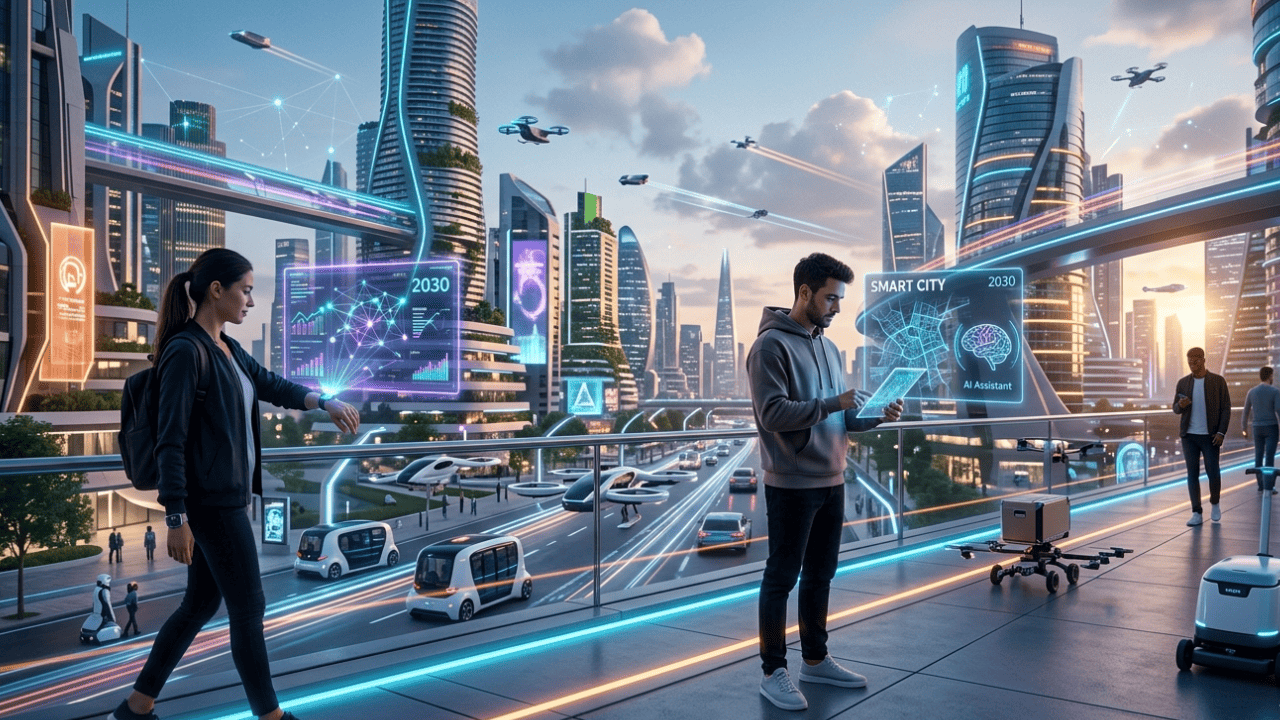
The world is changing more quickly than it has in the past. Future technology trends are reshaping how we live, work, and connect with each other. By 2030, the gap between science fiction and reality will shrink dramatically.
Think about this: ten years ago, most people had never heard of AI assistants or electric self-driving cars. Today, they are part of everyday life. So, what comes next?
Rapid innovation is touching every corner of the globe. From hospitals in Tokyo to schools in rural Kenya, emerging technologies are creating new possibilities. Understanding what is coming can help you prepare – and even thrive.
Why Future Technology Trends Matter More Than Ever
“Why should I care about technology in 2030?” you may ask yourself. The answer is straightforward: you will be directly impacted.
Jobs are already changing. Automation is handling tasks that once needed human hands. Businesses must adapt or risk falling behind competitors who embrace technology innovations early.
Daily life will also shift. How you shop, learn, see a doctor, and stay safe online – all of these will evolve significantly. Moreover, governments and organizations worldwide are making decisions right now that will shape those changes.
Understanding future tech trends gives you power. It helps you make smarter choices about your career, your business, and your family’s future.
Top Future Technology Trends by 2030
AI and Autonomous Systems
Artificial intelligence is no longer a distant idea. Today, AI agents are already writing code, diagnosing diseases, and managing customer service. By 2030, these systems will become far more capable and widespread.
Automation will handle repetitive tasks across industries – from manufacturing floors to financial analysis. Furthermore, AI will make real-time decisions in transport, logistics, and even legal systems.
According to industry reports from the World Economic Forum, over 85 million jobs may be displaced by automation by 2025 – but 97 million new roles could emerge. The shift is already underway.
Quantum Computing Breakthroughs
Quantum computing sounds complex, but its impact is simple to grasp: it will make today’s computers look like pocket calculators.
Traditional computers process data in bits – ones and zeros. Quantum computers use “qubits,” which can exist as both at once. As a result, they can solve problems millions of times faster.
This breakthrough will transform drug discovery, climate modeling, financial forecasting, and encryption. Businesses that prepare early will gain a massive competitive edge.
Cybersecurity Evolution
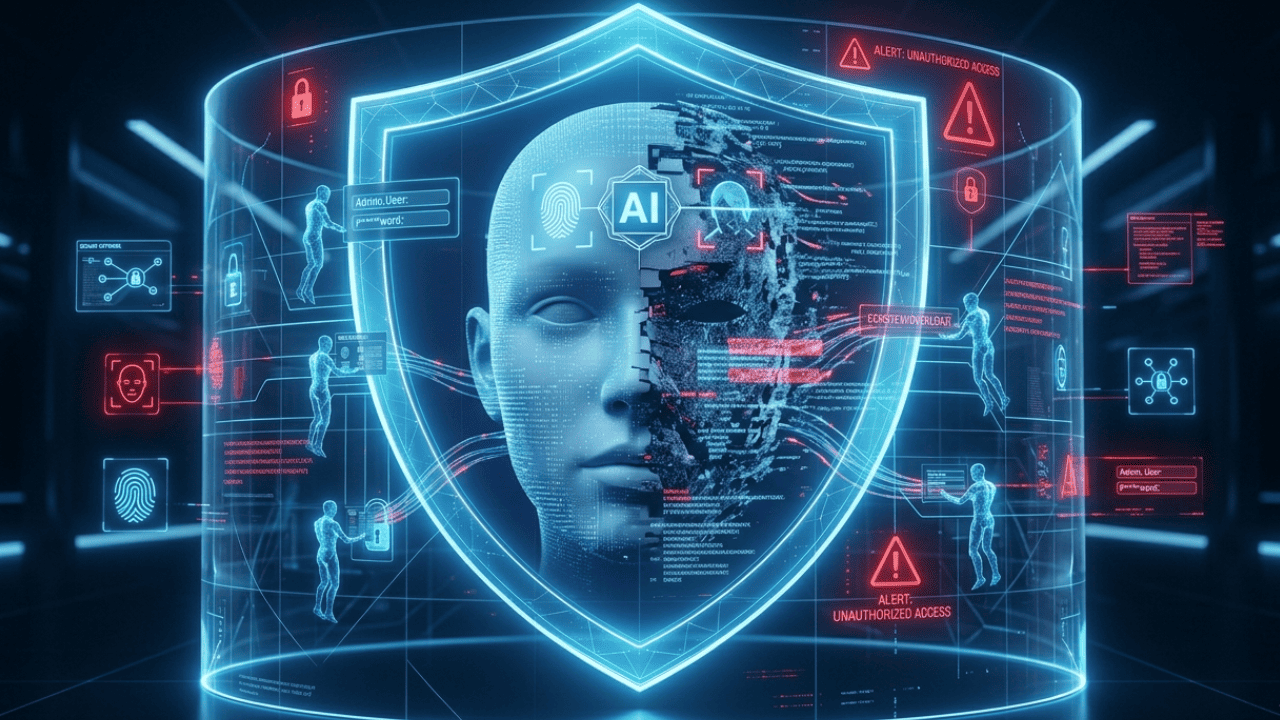
As technology grows more powerful, so do the threats. AI is already being used by cybercriminals to perform quicker, more intelligent assaults. Consequently, the cybersecurity landscape must evolve quickly.
AI-powered defenses will become the standard. However, the same tools protecting us can also be used against us. The risks are real and growing.
To understand the specific dangers, read more about AI security risks in 2026. Staying informed is the first step toward staying safe.
Human-AI Collaboration
One of the most exciting future tech trends is not AI replacing humans – it is AI working with humans. Think of AI as a very capable assistant that never sleeps.
Doctors will use AI to spot patterns in medical scans. Teachers will use AI to personalize lessons for every student. Meanwhile, engineers will rely on AI to test designs in seconds rather than weeks.
Ultimately, the most successful people in 2030 will be those who learn to collaborate effectively with AI tools.
Web3 and Decentralization
The internet is evolving again. Web3 aims to shift control away from big corporations and back to individual users. Blockchain technology makes this possible by creating transparent, tamper-proof digital records.
Digital ownership will become a reality. Artists can sell work directly to fans. Contracts can execute automatically without lawyers or banks. Therefore, trust between strangers becomes easier online.
While Web3 is still developing, its potential to reshape finance, media, and governance is enormous.
Smart Cities and IoT Expansion
Imagine a city where traffic lights adjust in real time to reduce jams. Picture bins that signal when they are full, and streetlights that dim when no one is nearby. This is the promise of smart cities powered by the Internet of Things (IoT).
By 2030, billions of connected devices will communicate constantly. Together, they will make urban life cleaner, safer, and more efficient. Additionally, rural areas will benefit as smart sensors improve farming, water management, and energy use.
Biotechnology and AI Healthcare
Perhaps the most personal of all emerging technologies is the merger of biology and AI. Personalized medicine means treatments designed specifically for your genetic makeup.
AI can already detect certain cancers earlier than human doctors. Soon, it will predict disease risk years before symptoms appear. Moreover, wearable devices will monitor your health continuously and alert doctors before a crisis occurs.
This revolution will extend lives and improve quality of life for millions worldwide.
How Future Technology Trends Will Change Daily Life
By 2030, daily routines will look noticeably different. Work will be more flexible, with AI handling administrative tasks so humans can focus on creative thinking.
Communication will become more immersive. Augmented reality meetings will feel almost like being in the same room. Additionally, language barriers will shrink as real-time AI translation becomes standard.
Healthcare will shift from reactive to proactive. Instead of treating illness, systems will prevent it. Education will become deeply personalized, adapting to each learner’s pace and style.
In short, life in 2030 will be more connected, more efficient, and more tailored to individual needs than anything we experience today.
Risks and Challenges of Emerging Future Technology Trends
Naturally, immense power entails great responsibility. These technology innovations also bring serious risks.
Privacy is a growing concern. The more data devices collect, the more vulnerable people become to surveillance and misuse. Strong regulation will be essential.
AI risks are real too. Biased algorithms can make unfair decisions in hiring, lending, or law enforcement. Without careful oversight, AI can deepen inequality rather than reduce it.
Security threats will intensify as critical infrastructure becomes more connected. A cyberattack on a smart city’s power grid, for example, could affect millions of people instantly.
Awareness is the first line of defense. Societies that have open conversations about these risks will be better prepared to manage them.
How to Prepare for Future Technology Trends
The good news is that preparation is possible – and it starts now. Firstly, focus on building skills that AI cannot easily replicate: critical thinking, creativity, empathy, and complex problem-solving.
Secondly, stay curious. Follow technology news, take online courses, and experiment with new tools. Adaptability is the most valuable skill of the next decade.
Thirdly, advocate for responsible technology use. Support policies that protect privacy and ensure AI is used ethically. Your voice matters in shaping how these tools develop.
Finally, do not fear the change. Instead, see it as an opportunity. History shows that technological shifts always create as many doors as they close.
Conclusion
Future technology trends will reshape the world in ways both exciting and challenging. From AI and quantum computing to smart cities and personalized medicine, the changes ahead are profound.
The key is not to wait and react – it is to learn, adapt, and engage. Whether you are a student, a business owner, or simply someone who wants to stay informed, understanding these trends gives you a real advantage.
The future is not something that happens to you. With knowledge and preparation, it is something you help shape.
Frequently Asked Questions About Future Technology Trends
What are future technology trends?
Future technology trends are the major innovations and shifts expected to transform industries and daily life over the coming years. Key examples include AI, quantum computing, Web3, biotechnology, and smart city infrastructure.
Which technology will dominate by 2030?
Artificial intelligence is likely to have the broadest impact by 2030. It underpins almost every other emerging technology, from healthcare and cybersecurity to autonomous vehicles and personalized education.
How will AI impact jobs?
AI will automate many repetitive tasks, which may displace some roles. However, it will also create new jobs in AI development, data analysis, human-AI collaboration, and technology ethics. Adaptability and continuous learning will be critical.
Is future technology safe?
Future technology carries real risks, including privacy concerns, cybersecurity threats, and potential misuse of AI. However, responsible development, strong regulation, and informed citizens can help manage these challenges effectively.

I think the point about technology reshaping jobs is critical. We often focus on the cool gadgets and innovations, but the real challenge will be how to make sure people are prepared for the shifts in employment.
The shift toward AI and automation highlighted in the article really underscores how crucial it is for individuals and businesses to stay adaptable. It’s fascinating to think about how today’s ‘science fiction’ will shape our daily lives by 2030, especially in areas like healthcare and education. Thanks for the insightful take on what’s coming next.
The comparison between the rapid rise of AI assistants in just a decade and the upcoming shifts by 2030 really highlights how quickly the line between sci-fi and reality is blurring. It’s especially compelling that these changes aren’t just for corporate hubs but are already reaching rural schools and hospitals, fundamentally reshaping daily life for everyone. This perspective confirms that staying informed is the best way to not just adapt, but actually thrive in this evolving landscape.